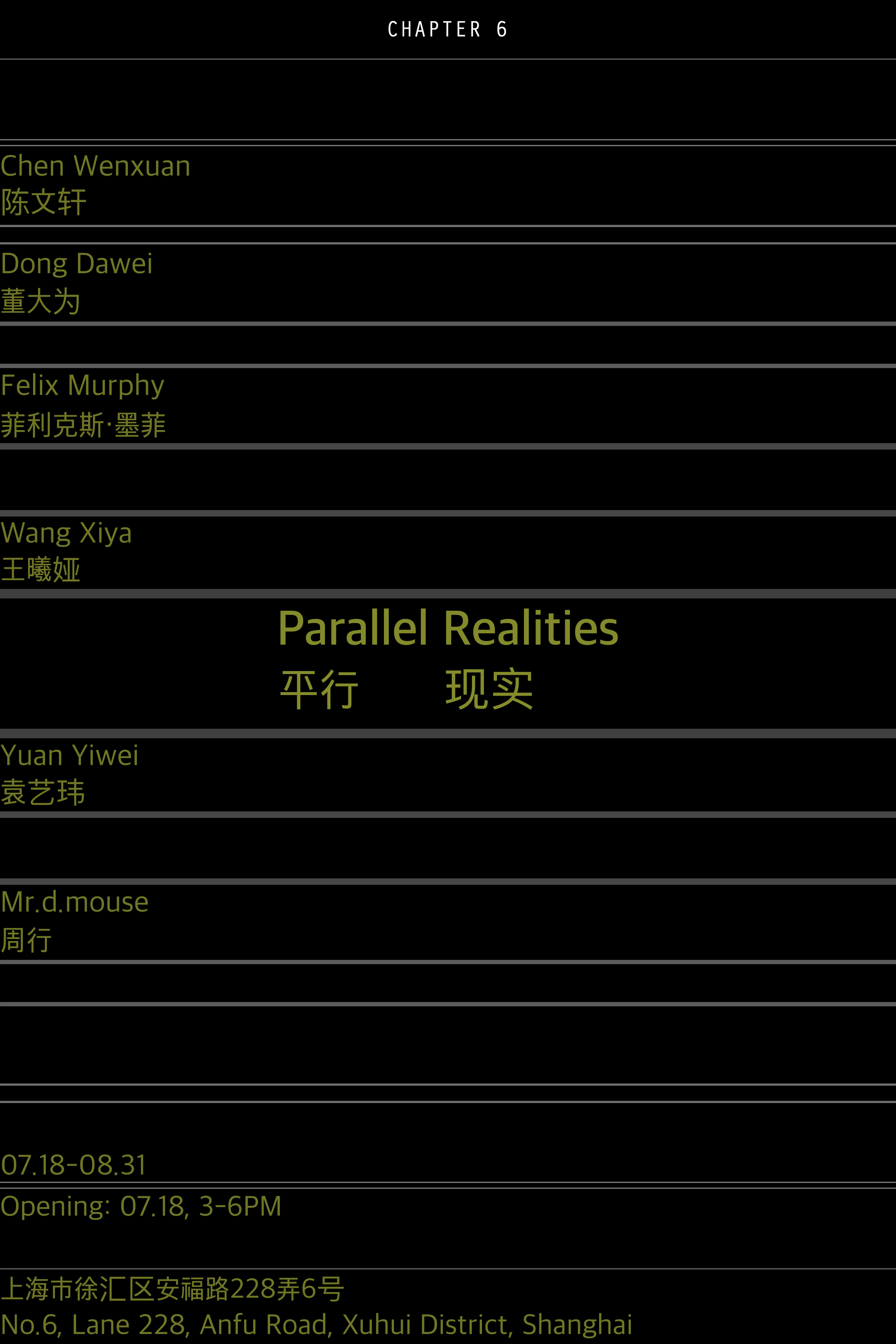
Debut 02 :Parallel Realities
Modern society was once built upon the belief that a public world could accommodate difference. Although we hold different beliefs, cultures, positions, and experiences, we have been willing to allow our differences to be seen, discussed, and examined through an open, neutral, and continually revisable public framework, and to construct reality together through an ongoing process of dialogue and negotiation.
Yet the critique and revision of modernity have never ceased. Who establishes the rules of the procedure? Who defines universality? Who remains unrepresented? Which experiences have long been excluded from the public narrative? These questions continually remind us that what we call a shared reality has never existed naturally; rather, it is a public relationship that must be constantly revised and maintained.
Today, we are becoming increasingly aware that this shared reality is changing.
Within an increasingly fluid social structure, accelerated by technological innovation, information has never been more abundant, and communication has never been more immediate. Yet understanding one another has become increasingly difficult. Individual experiences are becoming ever more heterogeneous. Different experiences continuously generate different interpretations, while different communities construct their own systems of meaning. As public procedures become less capable of responding to the authenticity of lived experience, are identity, experience, and representation gradually becoming new sources of legitimacy?
We inhabit the same physical world, yet we find it increasingly difficult to share the same reality.
This transformation does not mean that reality has disappeared; rather, reality has become plural. This is the condition to which Parallel Realities refers. This exhibition does not seek to reduce this condition to any particular political position, cultural phenomenon, or technological consequence. Nor does it attempt to manufacture consensus or determine whose reality offers the more legitimate interpretation. Instead, it asks another question: between different realities, is it still possible to preserve the possibility of a public relationship? A possibility in which different experiences may continue to encounter one another, remain open to discussion, rather than simply reaffirm themselves.
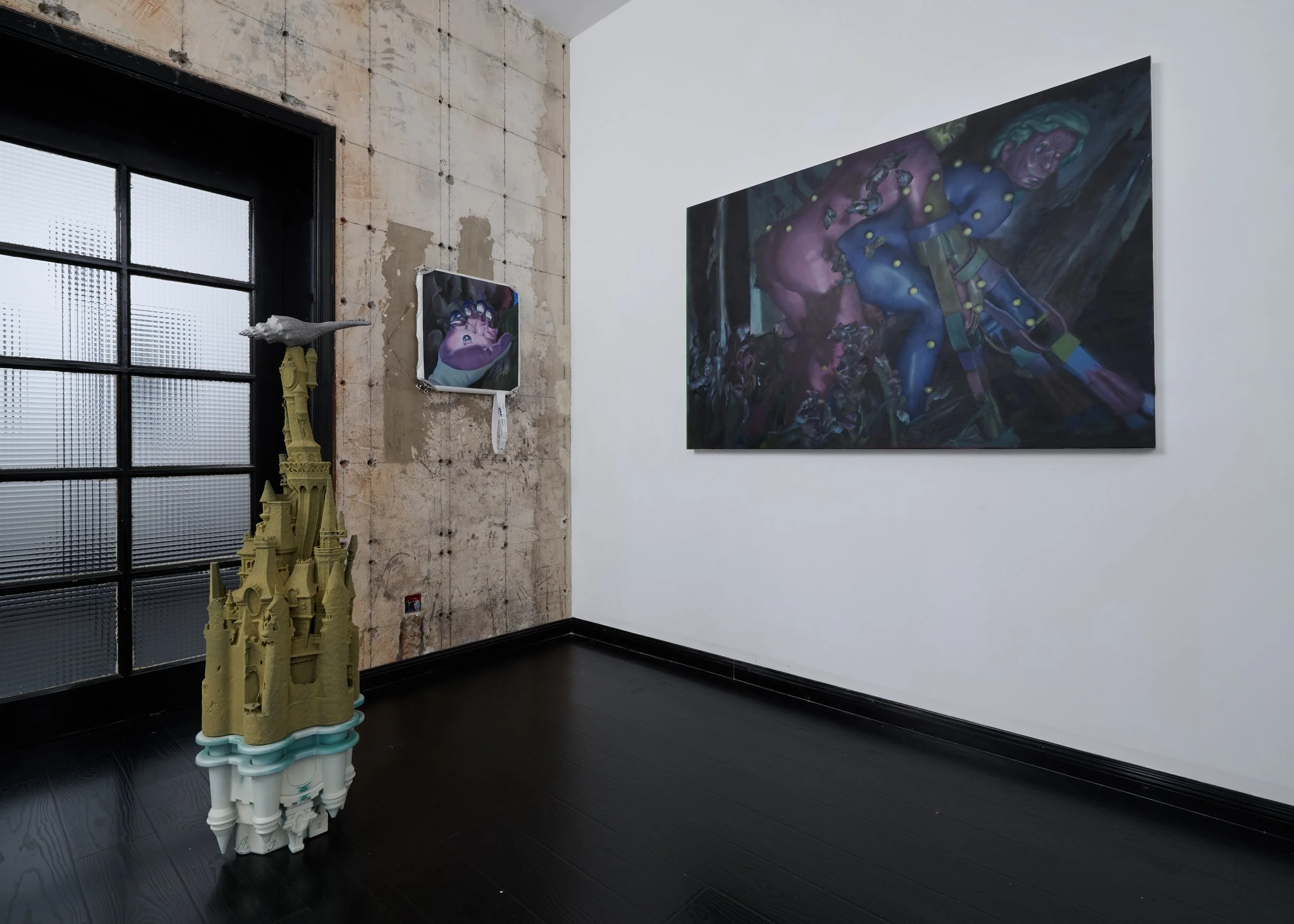
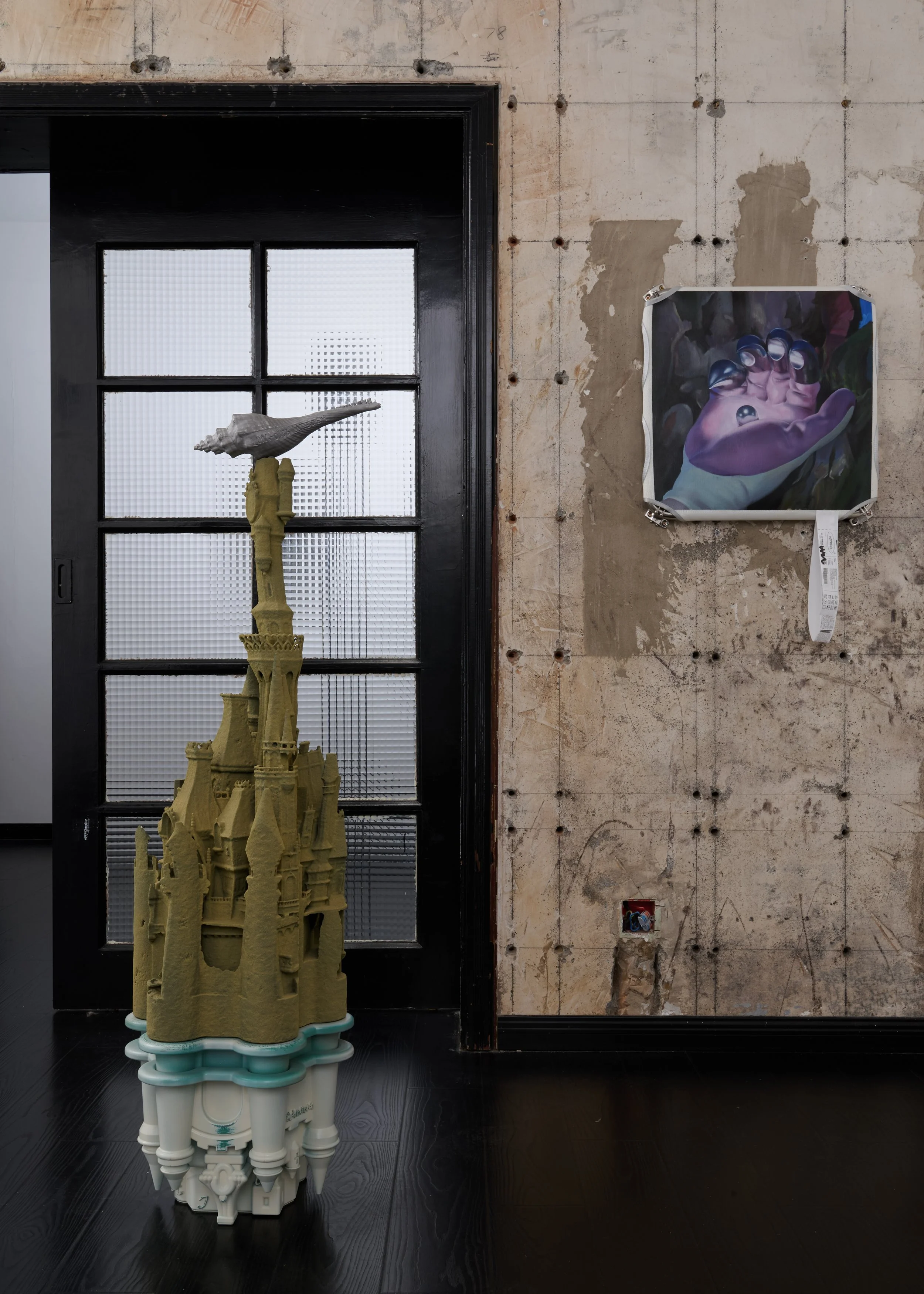
The six artists participating in this exhibition are all collaborating with CHAPTER 6 for the first time. They come from different generations, cultural backgrounds, and artistic practices, approaching their work through distinct paths that engage with nature, image, materiality, the body, memory, and identity. Their works are not organised around a single theme; rather, they constitute six different ways of entering reality.
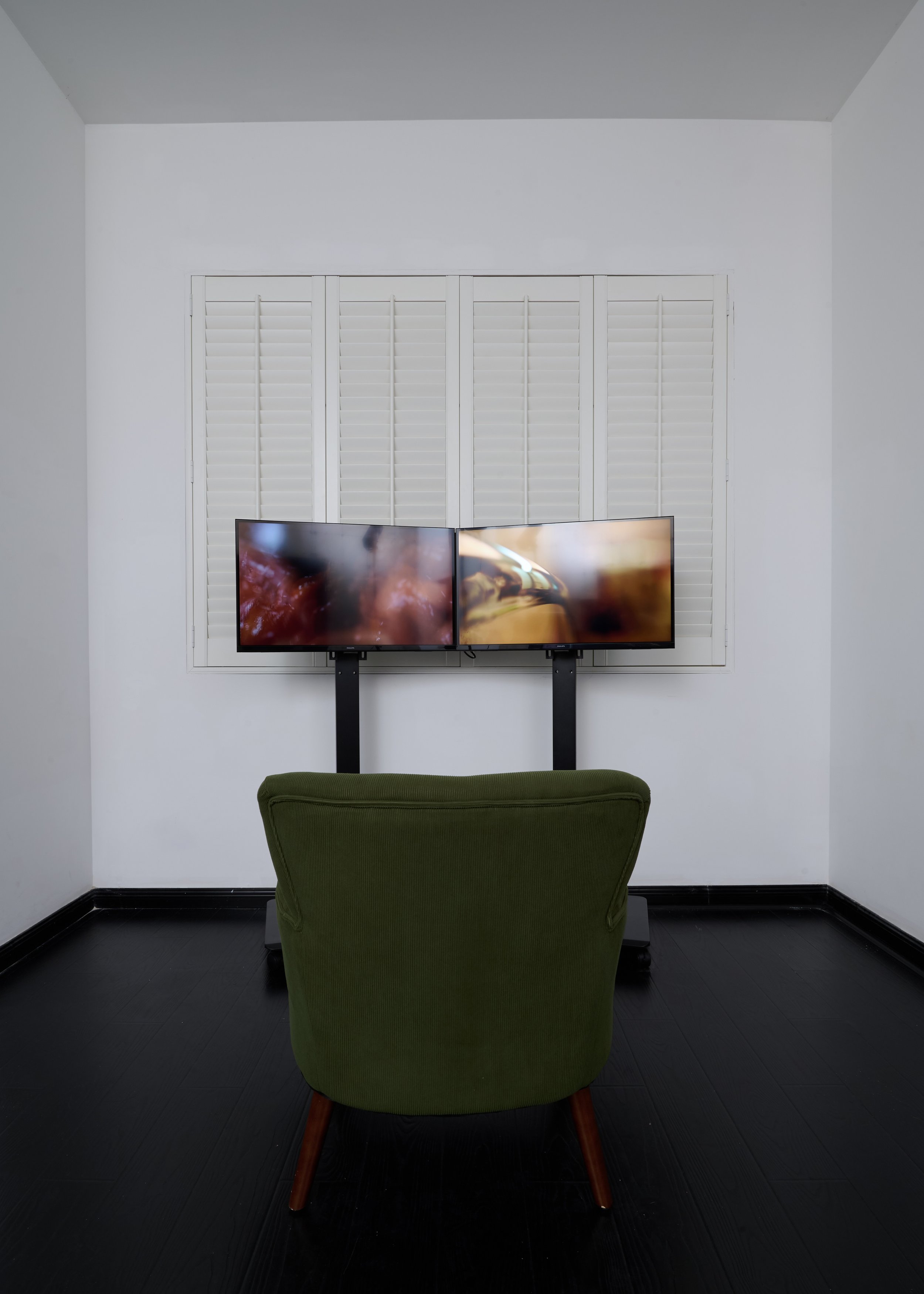
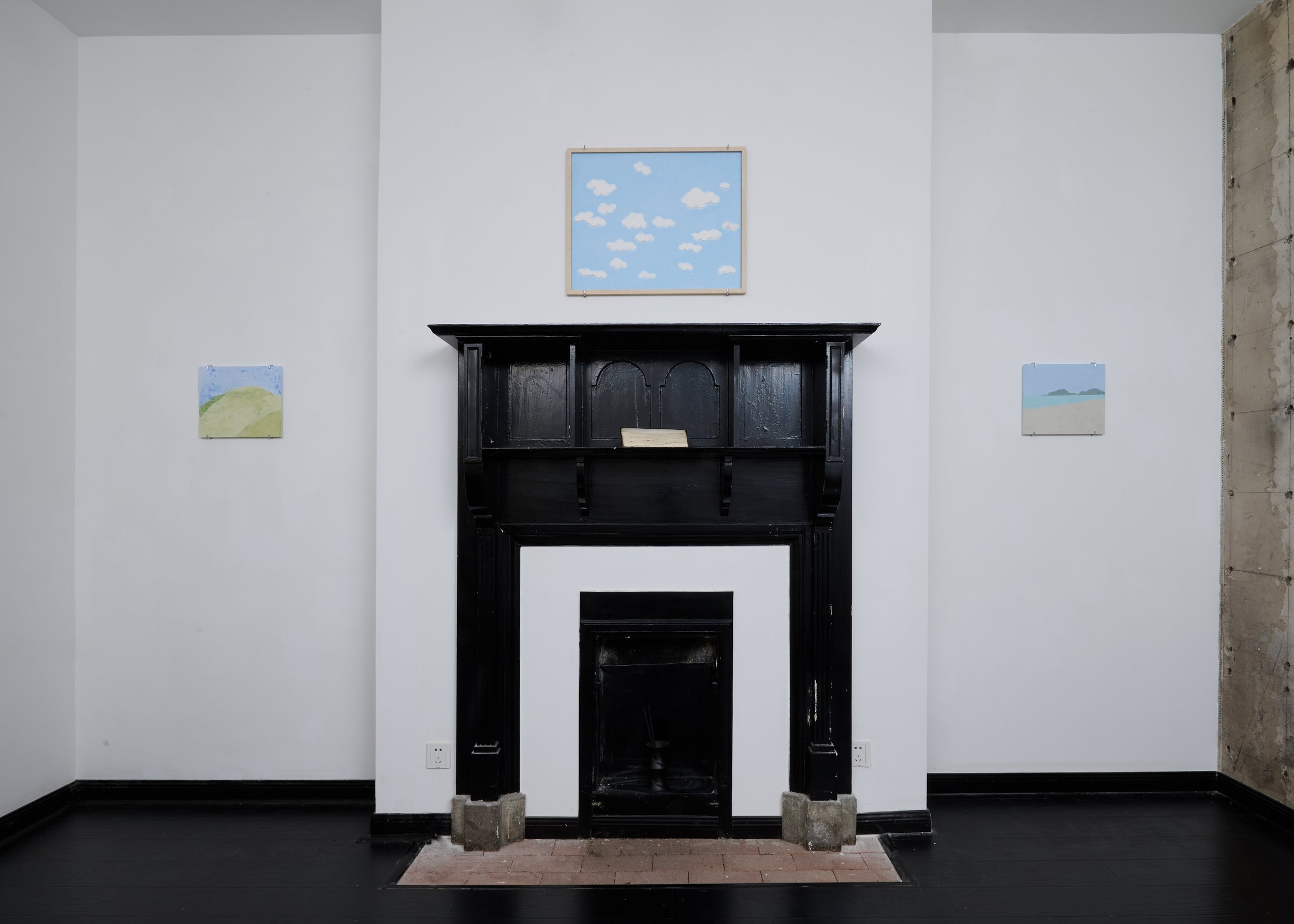
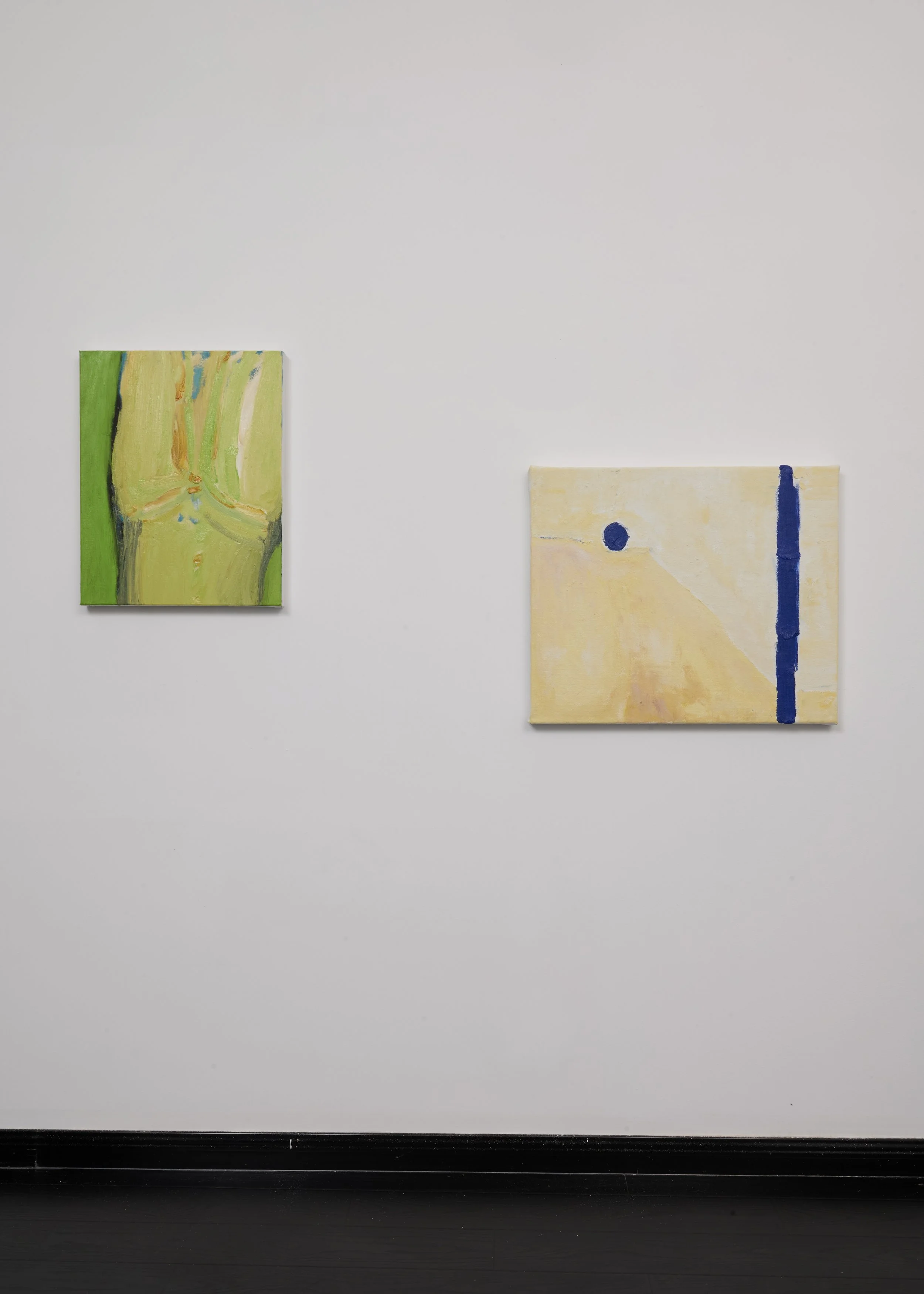
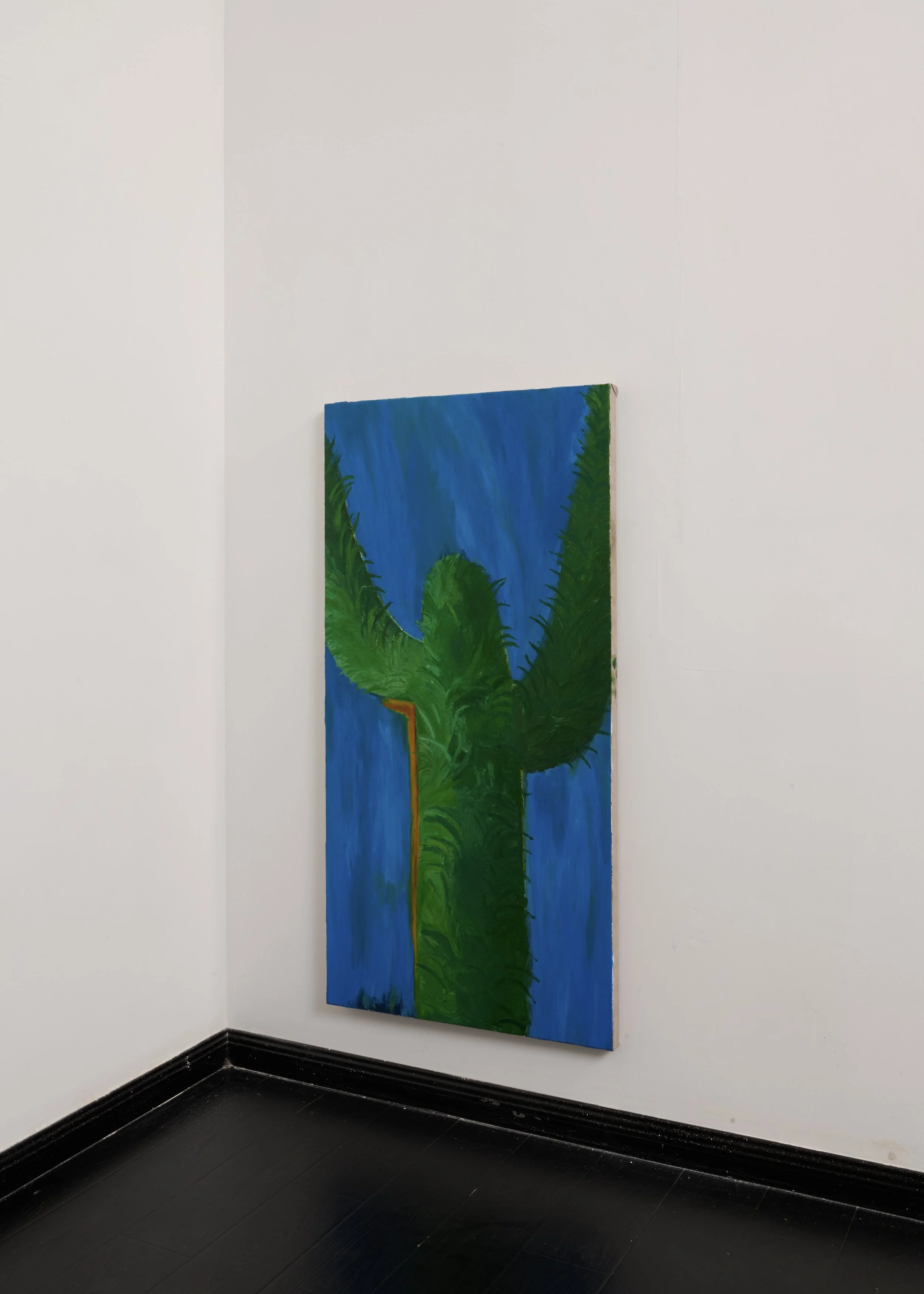
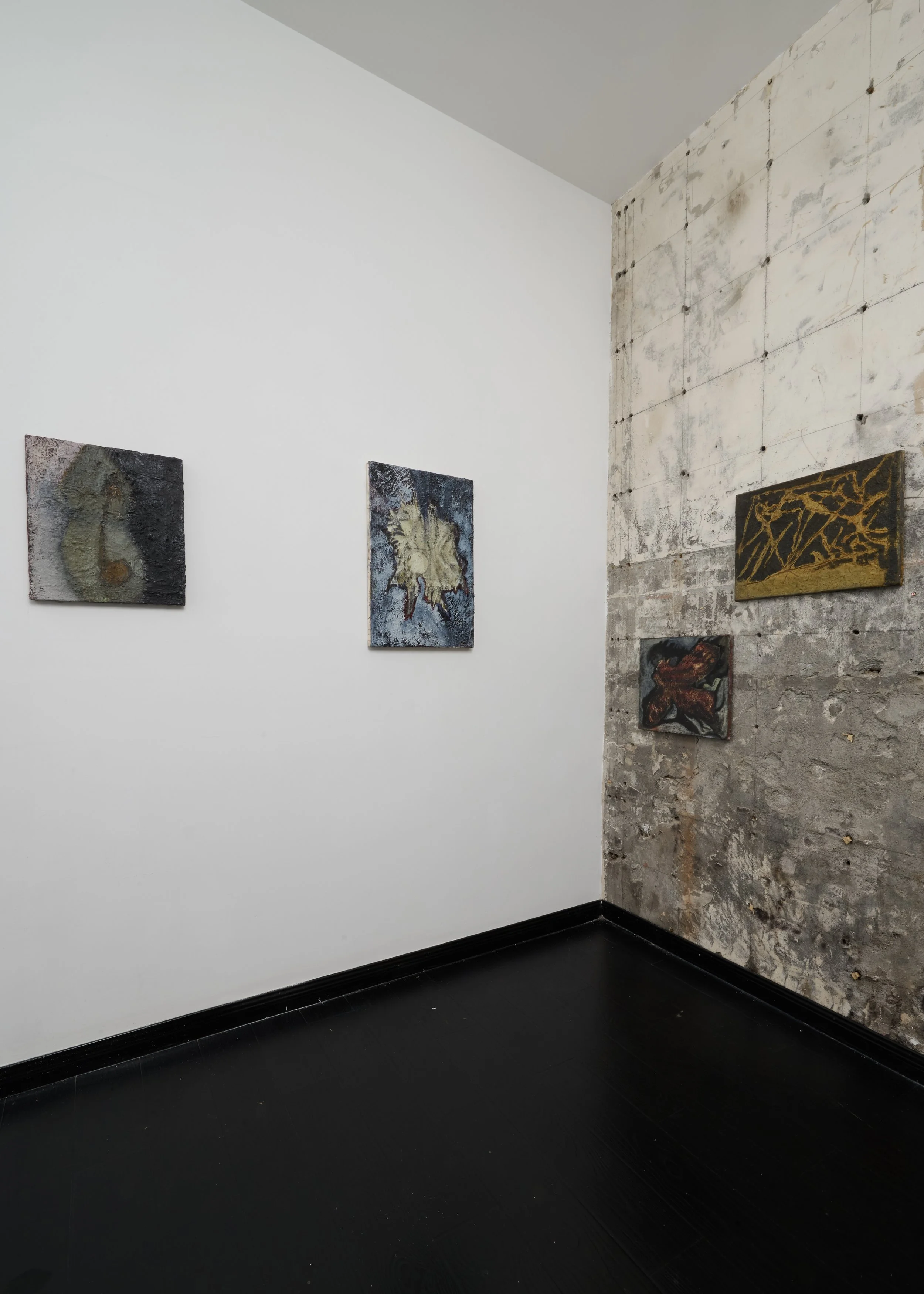
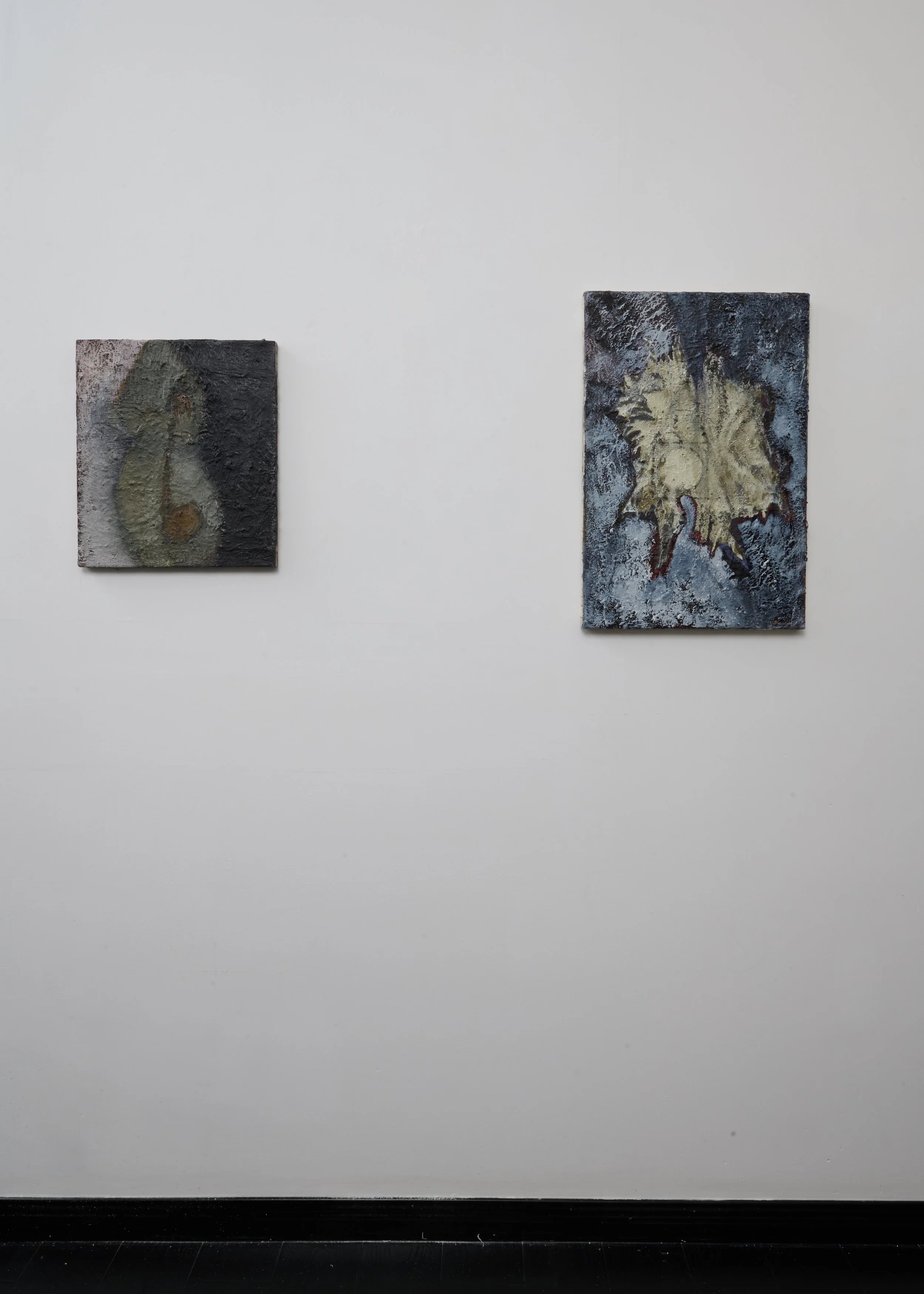
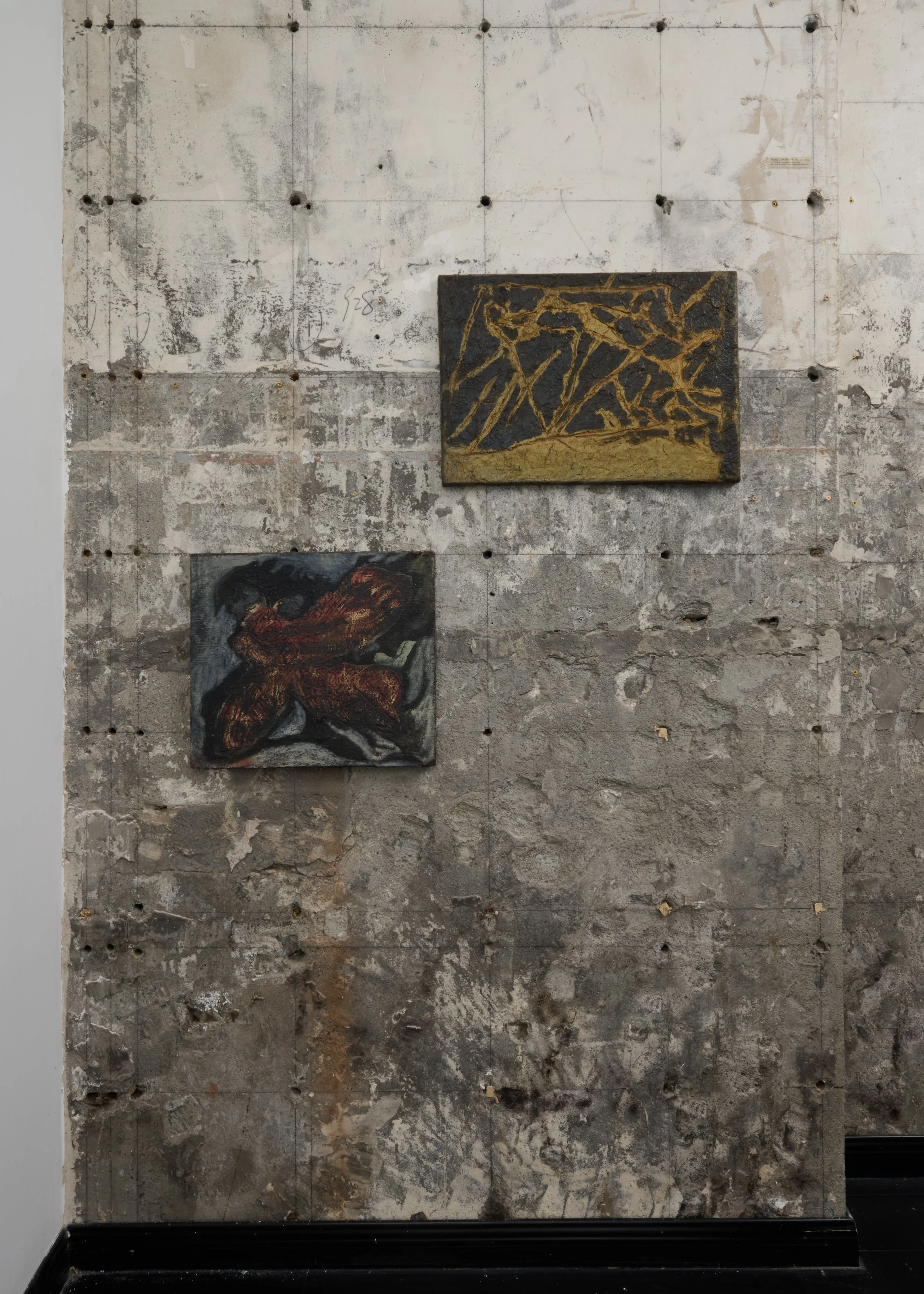
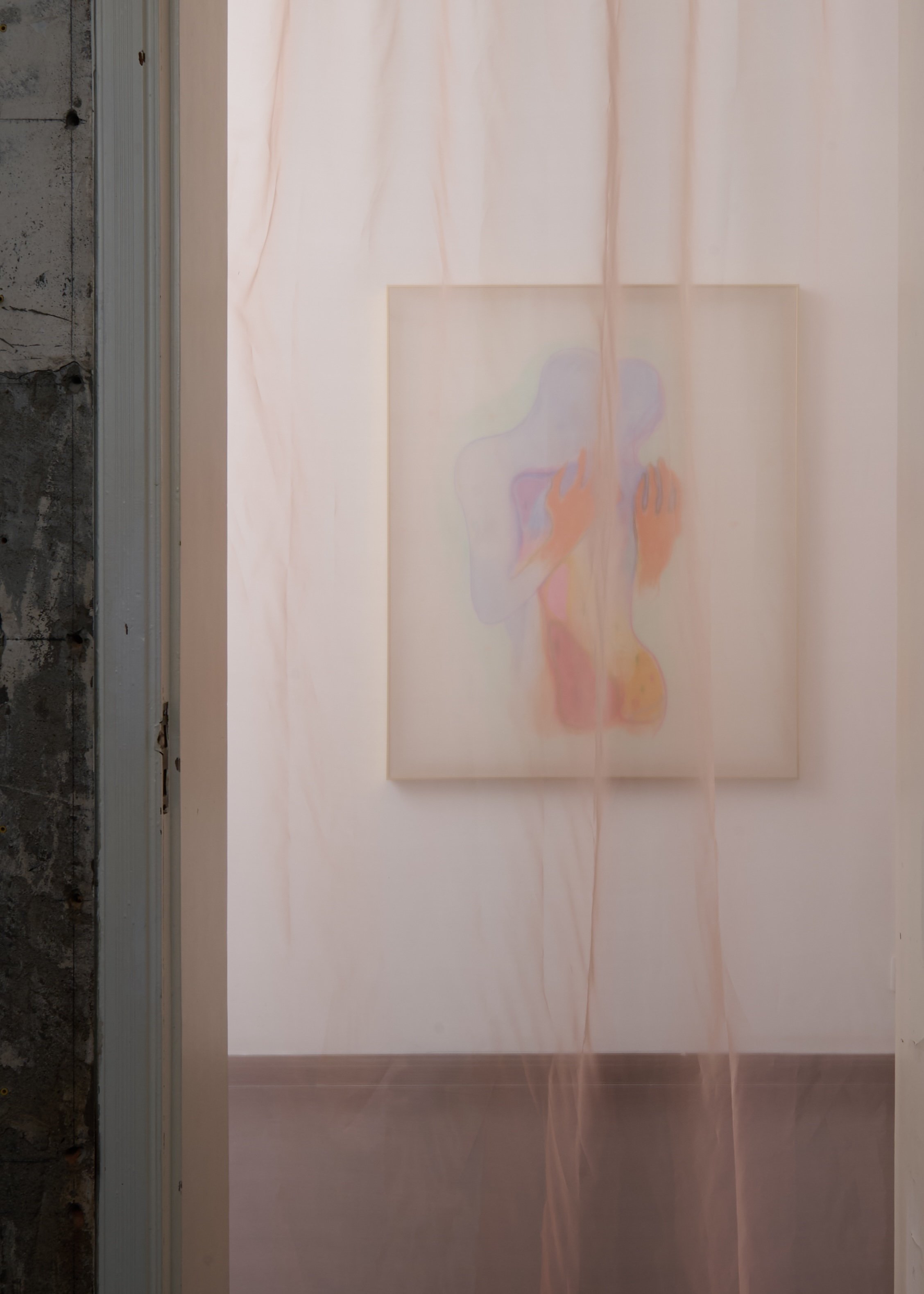
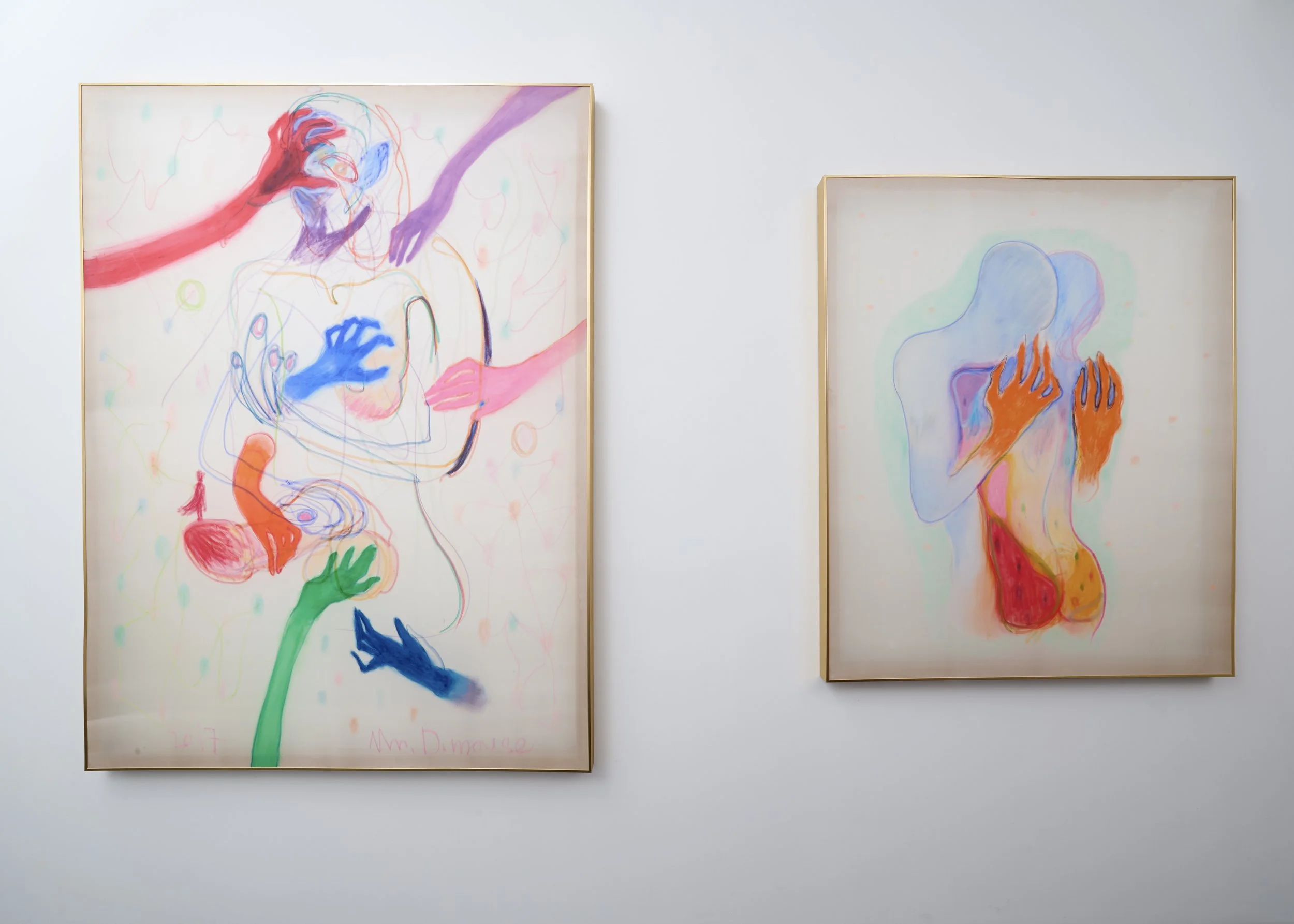
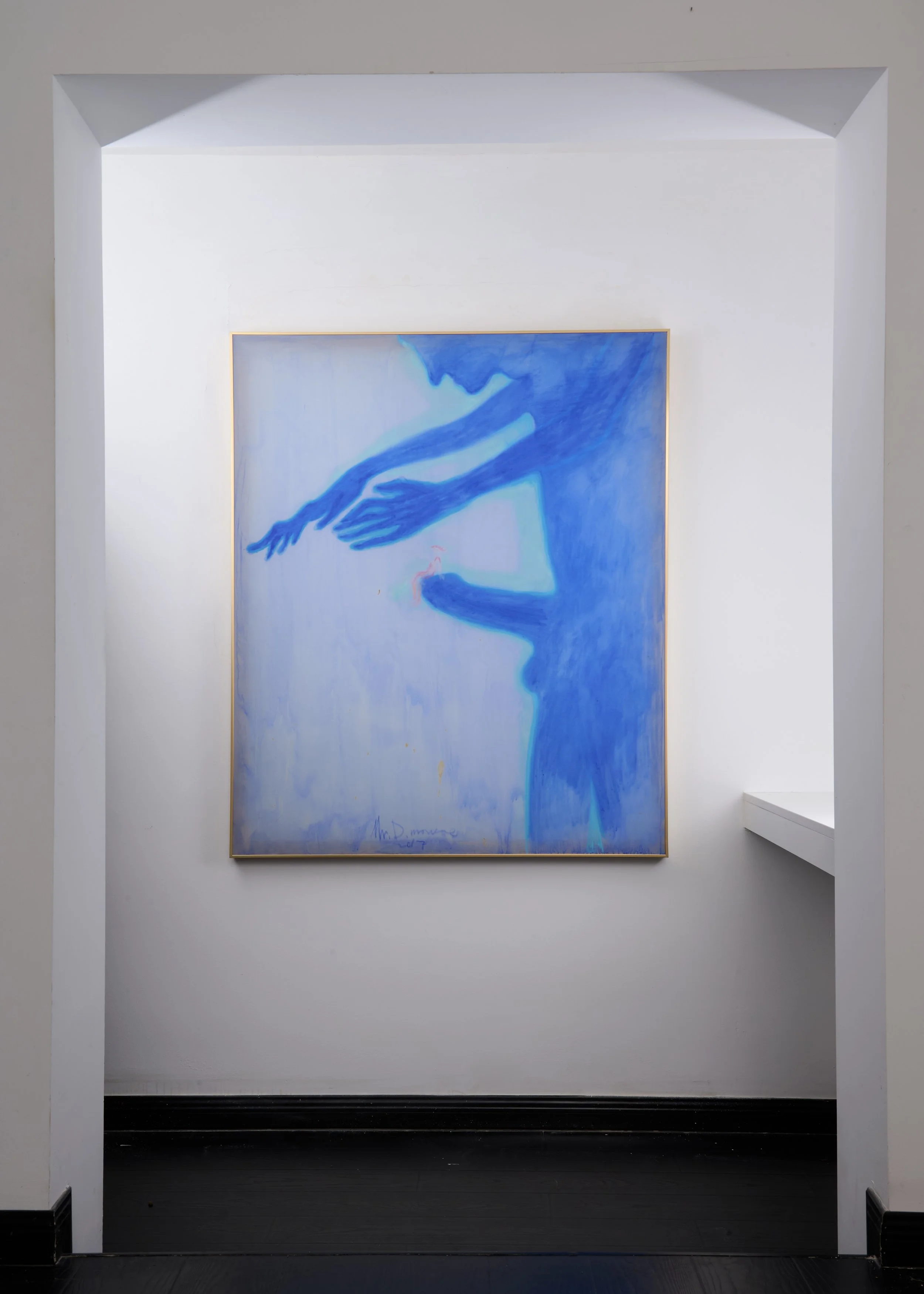
Chen Wenxuan’s practice focuses on the multiple forms through which “nature” functions as a symbolic language within industrial production, paying particular attention to the processes of translation, deconstruction, and alienation that emerge through it. Dong Dawei explores the materiality of image-making through the histories of Chinese landscape painting and Western landscape painting, examining different conceptions of nature embedded within distinct cultural and geographical traditions. Felix Murphy understands painting as a continuous process of formation, in which the image exists only as a temporary state. Each work records the continual formation and disappearance of the image, while accumulated traces become visible appearance of the intertwined relationships between material, time, and process. Yuan Yiwei places plants and the body in dialogue as parallel visual agents, reflecting on rootedness, silence, sustained growth, and the temporal order continually reshaped by productivity and human intervention in contemporary society. Wang Xiya explores memory, absence, and intimacy through the combination of video, space, and modes of viewing. Zhou Hang’s practice unfolds between painting, make-up, writing, and adornment. Drawing upon the raw creativity embedded within night club culture, he explores the fluid boundaries between self-fashioning, femininity, authenticity, and performance.
Parallel Realities is the second exhibition in CHAPTER 6’s Debut series. We conclude by returning to a question that remained central to Hannah Arendt’s thinking, while also taking it as the point of departure for the third exhibition in the Debut series: The world lies between people, not within the experience of any one individual.
Today, as experience, identity, and representation continue to reshape the ways in which we understand the world, perhaps the question is no longer how consensus might be restored, but whether, amid an increasing plurality of parallel realities, we are still willing to share a world together.
Exhibition Views