

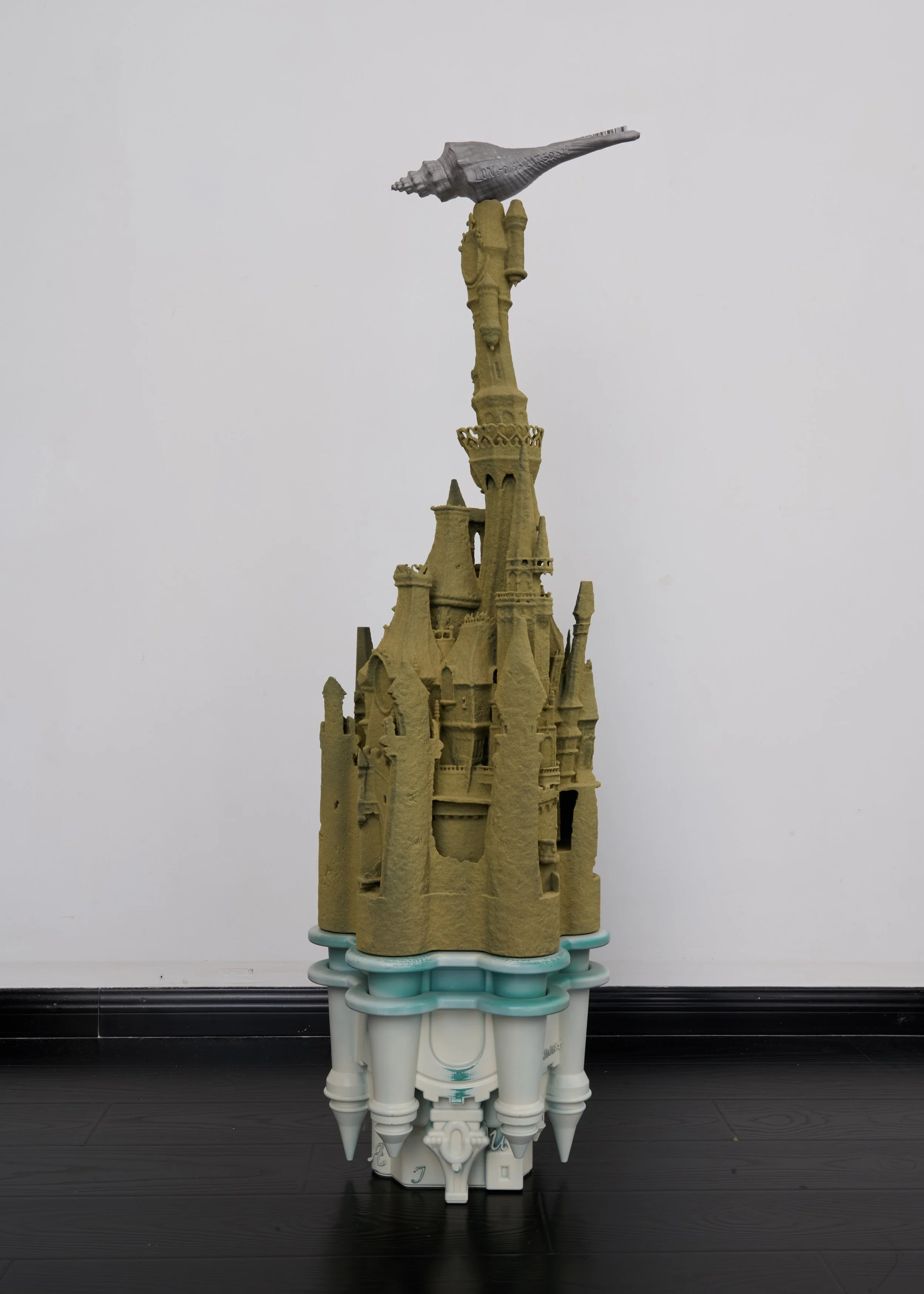
Chen Wenxuan
Chen Wenxuan (b. 1995) lives and works in Shanghai. He graduated from the Sculpture Department of the Central Academy of Fine Arts in 2019, and holds the MFA Fine Art at Goldsmiths, University of London in 2022. Chen Wenxuan’s practice focuses on the multiple ways in which “nature” operates as a symbolic language within processes of industrial production, with particular attention to the forms of translation, deconstruction and alienation generated in this process. Working through materials, he draws on strategies from industrial and product design to analyse how capital taps into and organises consumers’ unconscious impulses, and to examine how industrially constructed “shelters” shape social perceptions of cleanliness, comfort and “normality”.
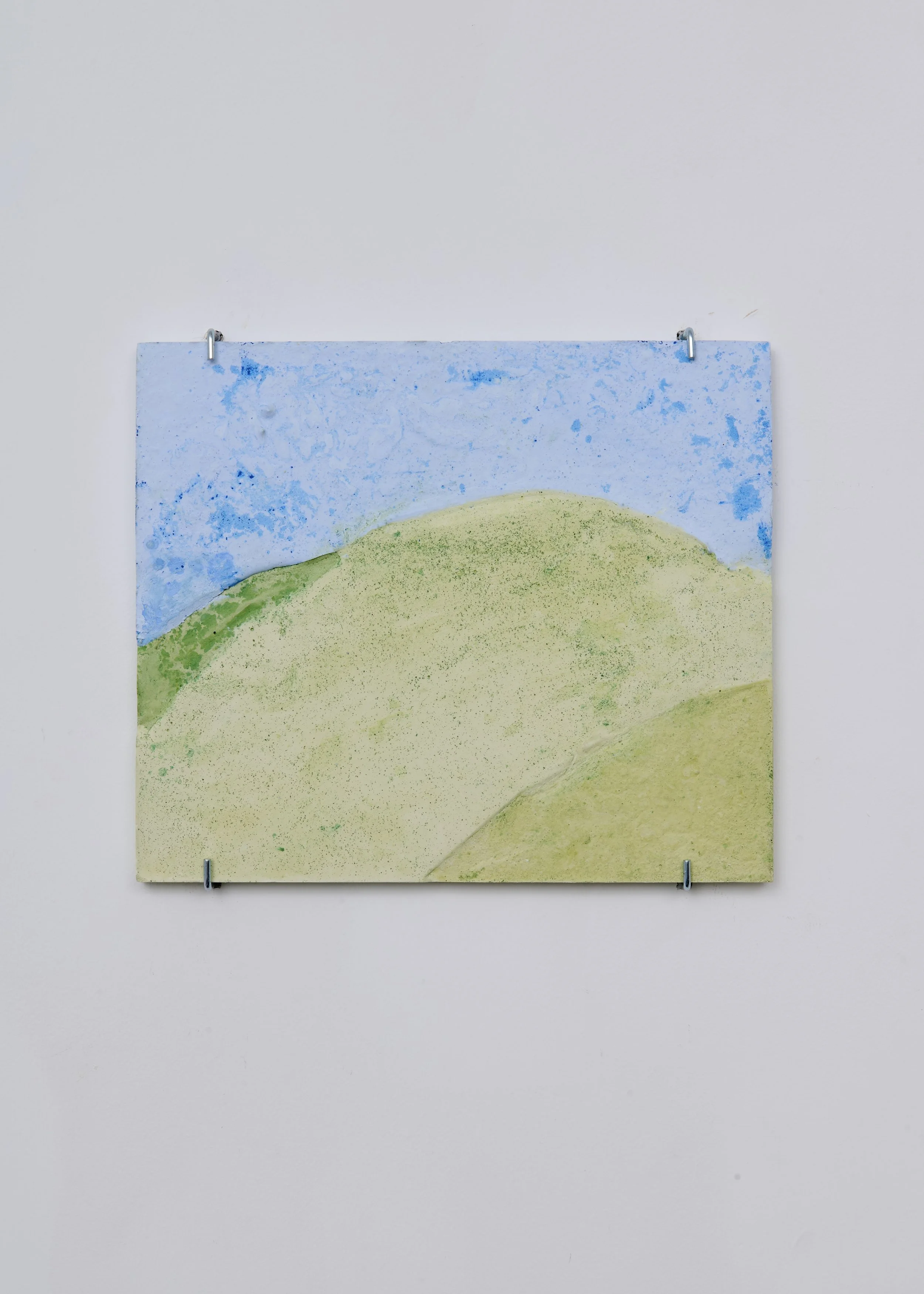
Dong Dawei
Dong Dawei (b. 1981, Dalian, China) graduated from the École Nationale Supérieure d’Art de Bourges, France, in 2011. He currently lives and works in the area between Beijing’s East Fifth and East Sixth Ring Roads. Dong Dawei’s practice draws extensively upon the history of painting while engaging deeply with conceptual art. His work consistently examines the materiality of painting, treating the medium not only as a vehicle for representation but also as a site for critical inquiry. A central and ongoing concern in Dong’s practice is how the concept of shan shui (mountain-and-water landscape) can be reinterpreted within a contemporary context. For the artist, the significance of shan shui lies in the understanding that representations of nature, shaped by different cultural traditions, embody distinct conceptions of nature and, more fundamentally, different worldviews. Through painting, Dong investigates how these inherited visual systems continue to inform contemporary perception and our relationship with the natural world. His work has been exhibited at numerous museums and institutions, including the UCCA Center for Contemporary Art, Taikang Space, the Art Gallery of Hamilton (Canada), the Boghossian Foundation (Brussels), the Moscow Museum of Modern Art, and the Musée Saint-Roch, Issoudun (France).
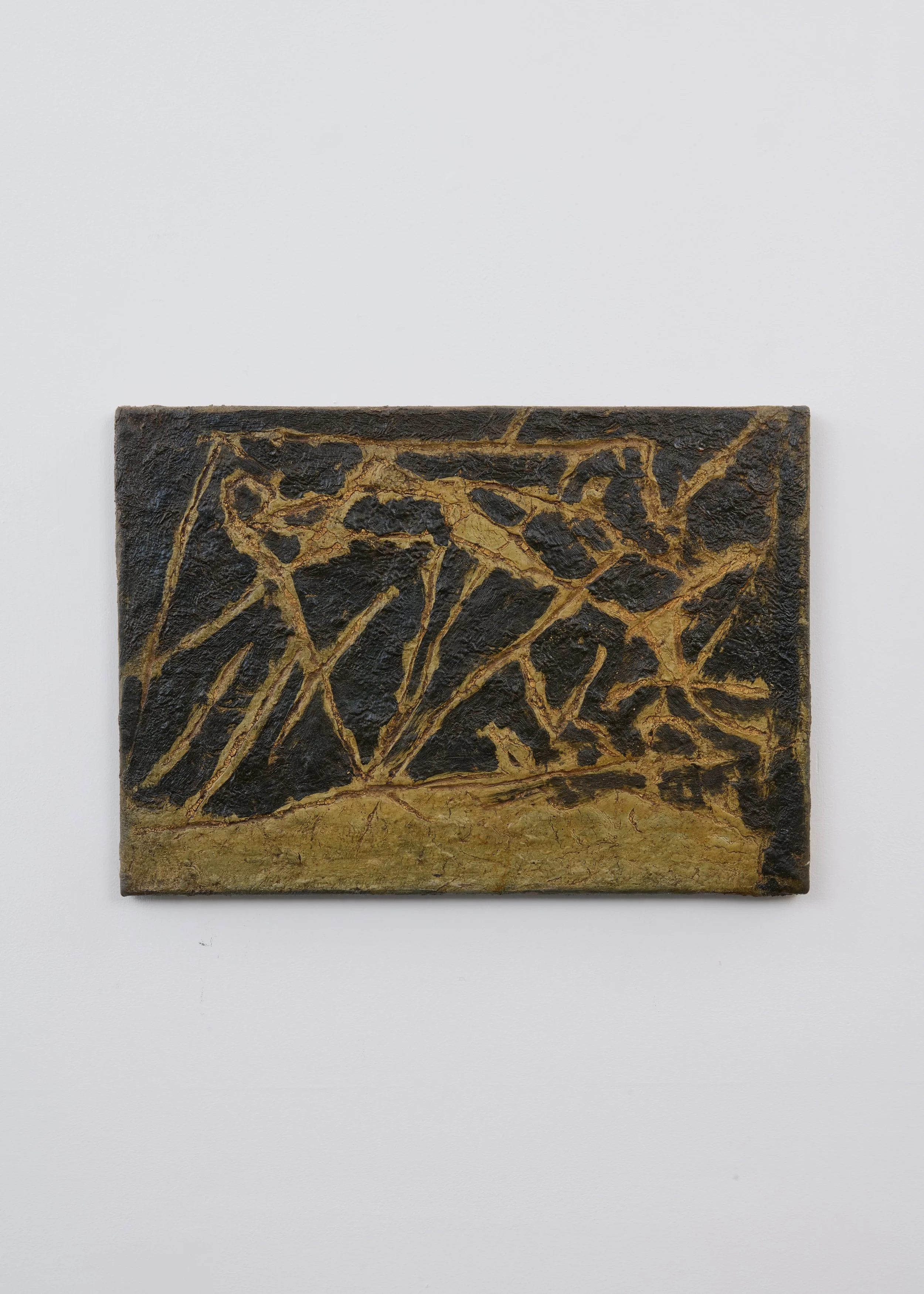
Felix Murphy
Felix Murphy (b. 2004, Liverpool, UK) lives and works in London. He graduated from Camberwell College of Arts in 2026. Felix understands painting as a continuous formative activity rather than a representation of the appearances of nature. The image is not the starting point of a painting, but a temporary state within a longer process of formation. Through the accumulation of material, time and pressure, each painting becomes a visible cross-section of this ongoing process, in which images repeatedly emerge and disappear, bringing multiple temporalities into a single object. Recurring forms such as apertures, vessels, shells and seeds migrate through the practice, entering new material relationships and assuming new functions. What persists from one painting to the next is not a fixed visual vocabulary, but the continuity of formative activity itself. At a moment when inherited histories and imagined futures have become increasingly difficult to inhabit, Murphy explores painting as a way of testing how continuity might be sustained through transformation, while recovering the material, temporal and relational conditions through which images become possible.
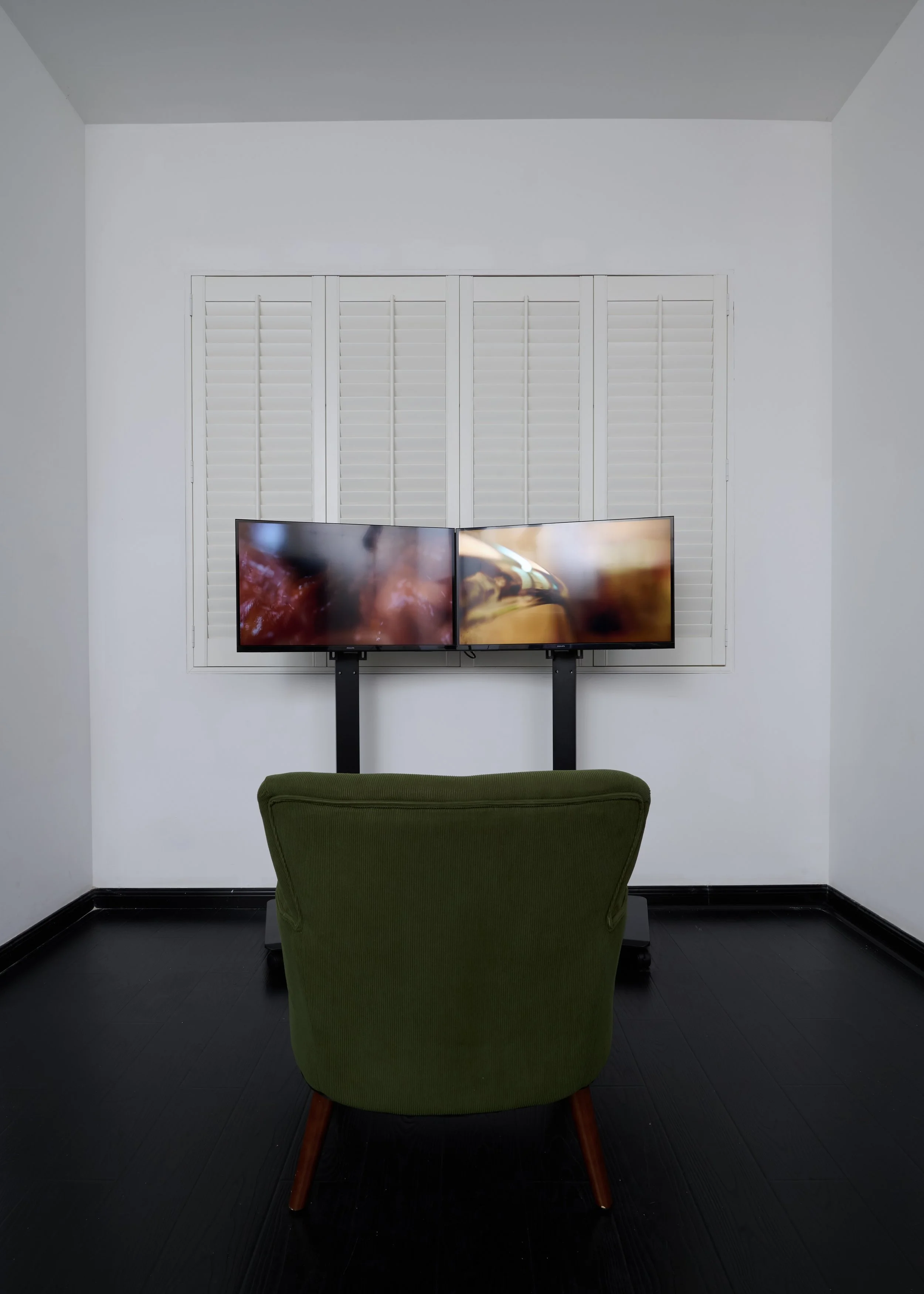
Wang Xiya
Wang Xiya (b. 1999, Guiyang) currently lives and works in Shanghai. She graduated from the Slade School of Fine Art in 2024 . Wang Xiya’s work focuses on things that continue to exist even after they have disappeared. Through imagery, space, and the act of viewing, she explores how memory, absence, ghosts, and place-based narratives continue to shape human perception and lived experience in the invisible realm. She bases her work on photography, moving image and multimedia installations, and regards the “image” as a strategy of diminished presence, a psychologically deferred space of manifestation, exploring how the image, as a proxy for the gaze within symbolic space, arrives at a specific stage of nothingness.
Yuan Yiwei
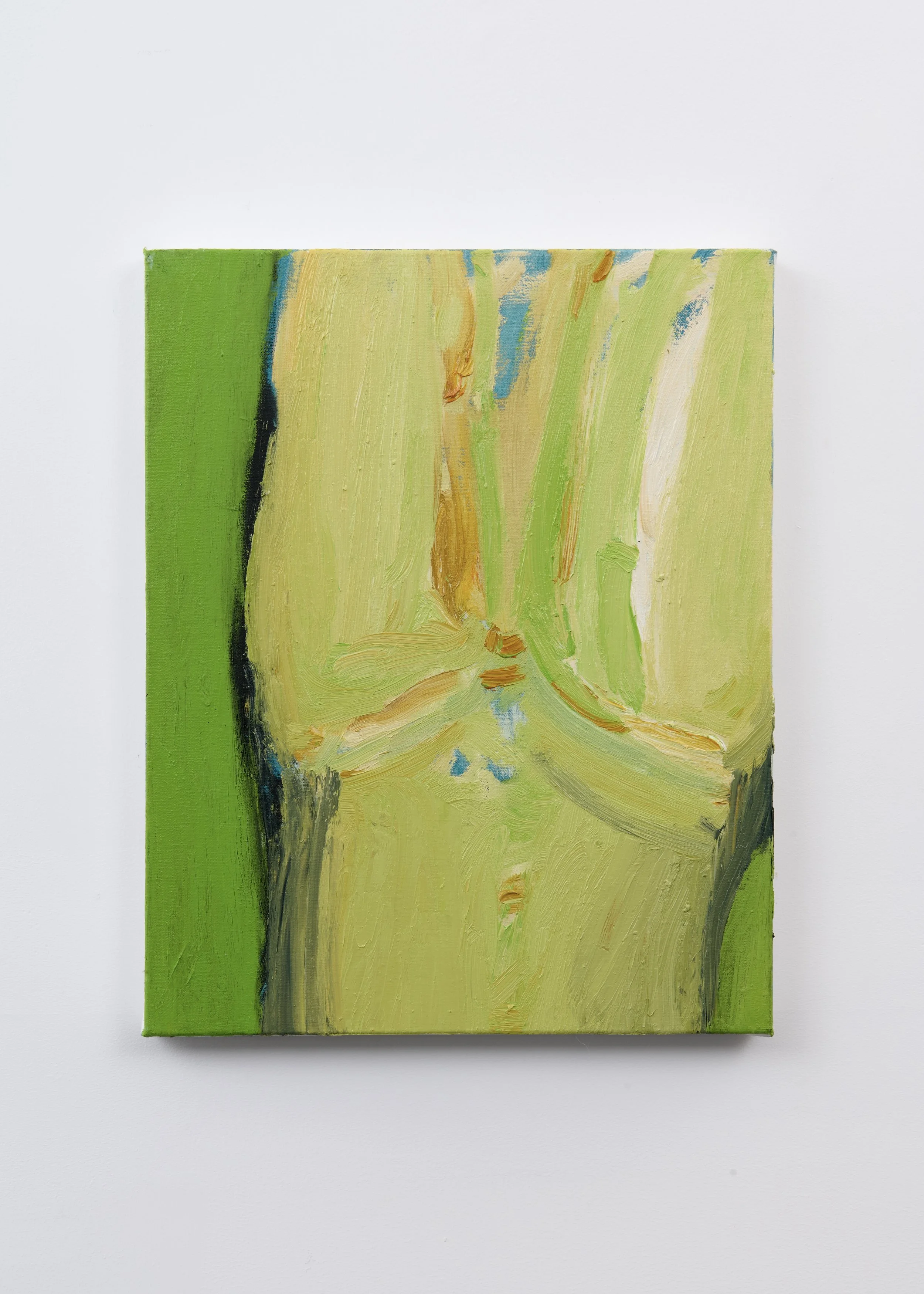
Yuan Yiwei (b. 2000, Beijing) graduated from Central Saint Martins, University of the Arts London, with a BA in Fine Art in 2024. Her painting practice explores the intersections of temporality and materiality, using plants as a central metaphor through which to reflect on the individual’s experience within familial, social, and capitalist structures. Drawing on the rootedness, silence, and persistent growth of plants, her work examines the tension between the productivity-driven temporality of contemporary society and the cyclical rhythms embodied by the female body. Approaching painting as a process that registers the passage of time, Yuan builds her surfaces through repeated acts of layering, accumulation, and erasure. These gestures allow the canvas to record the continual formation of bodily experience, memory, and material. Vivid colour functions simultaneously as a sign of vitality and a warning signal, revealing life as a condition of ongoing growth shaped by both vulnerability and systems of control.
Zhou Hang
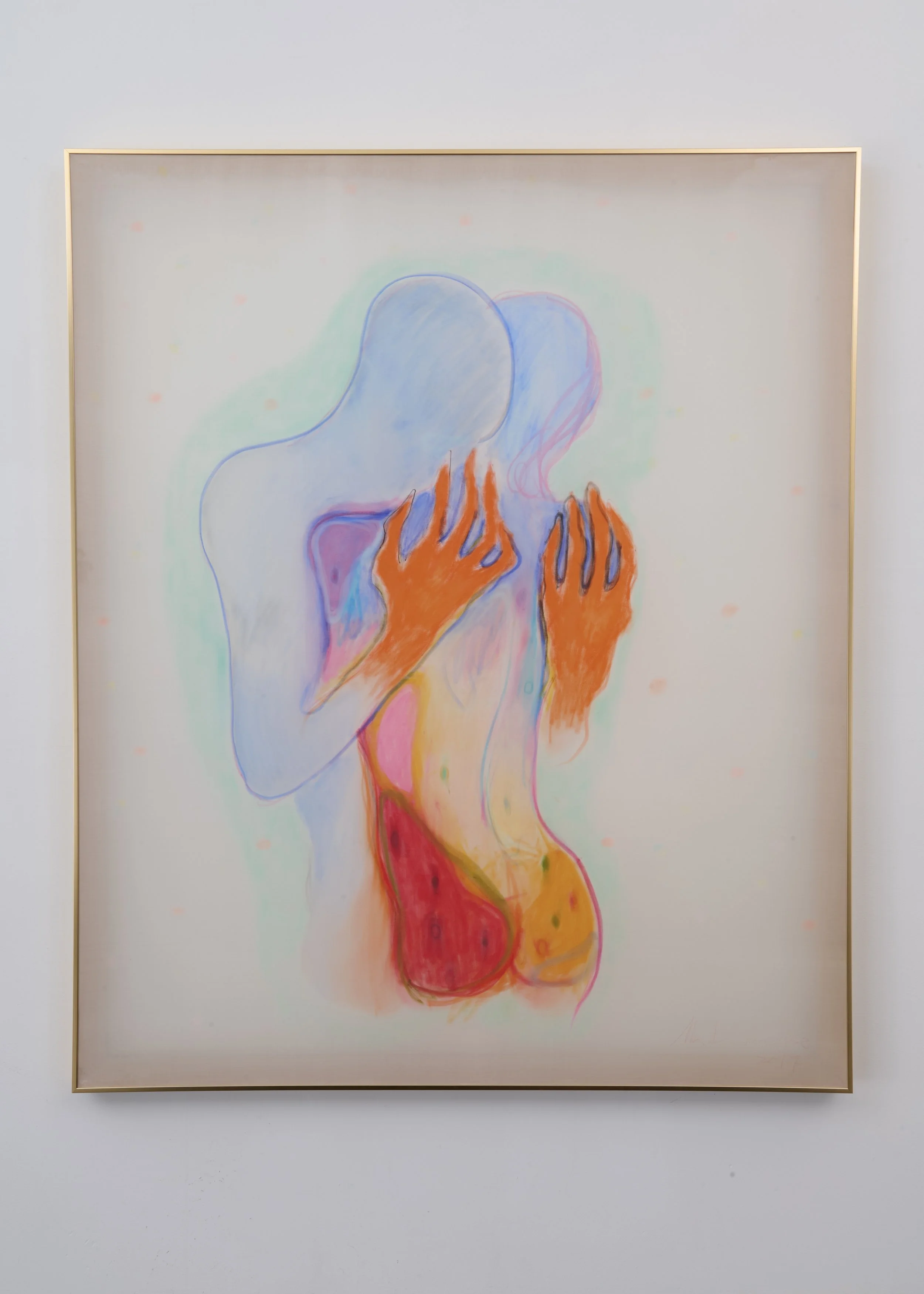
Zhou Hang (b. 1986, Wuhan) is a third-generation descendant of the Malaysian Chinese diaspora. He currently lives and works between Wuhan, Shanghai, Amsterdam, and Paris. Zhou Hang’s artistic practice moves between painting and material experimentation, employing cosmetics—including lipstick, eyeshadow, and foundation—as painterly media on silk to reconsider the materiality of painting and its embedded gendered codes. For the artist, the translucency, suppleness, and subtle luminosity of silk evoke the qualities of skin: a surface that envelops the body while recording the passage of time, touch, and traces of lived experience. Cosmetics, while functioning as everyday tools of beautification, also operate as cultural markers of social discipline, identity construction, and self-performance. Repeatedly layered, blended, and wiped across silk, they transform the accumulation and erosion of pigment into a poetic reflection on memory, temporality, and disappearance.His works retain the intuitive physicality of painting while questioning the construction of beauty and the ways identity is shaped, perceived, and gradually dissolved through the body. Influenced by Abstract Expressionism and the chromatic traditions of the kebaya in Peranakan culture,