Josephine Dadson: “Palatable” Taboo
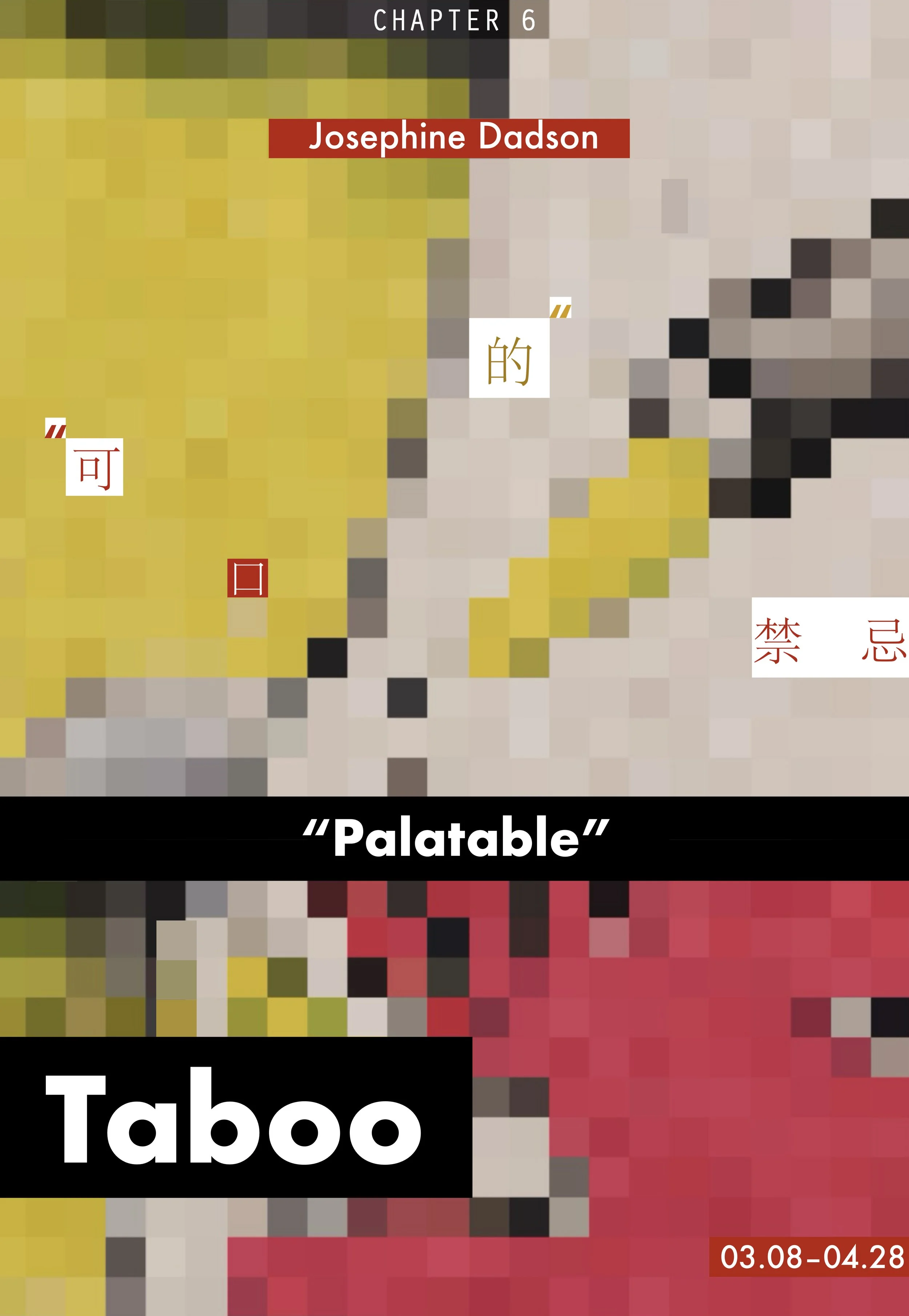
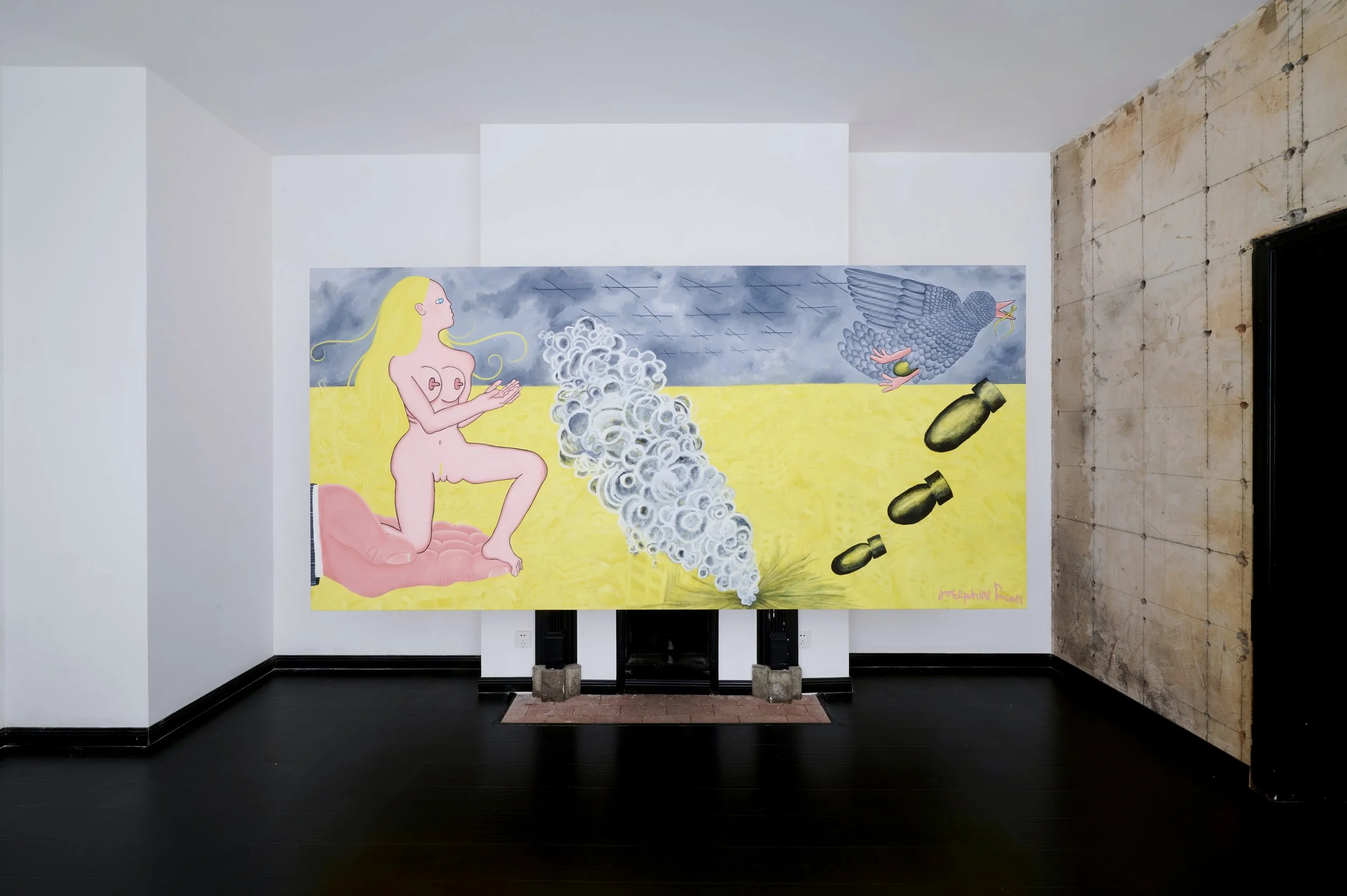
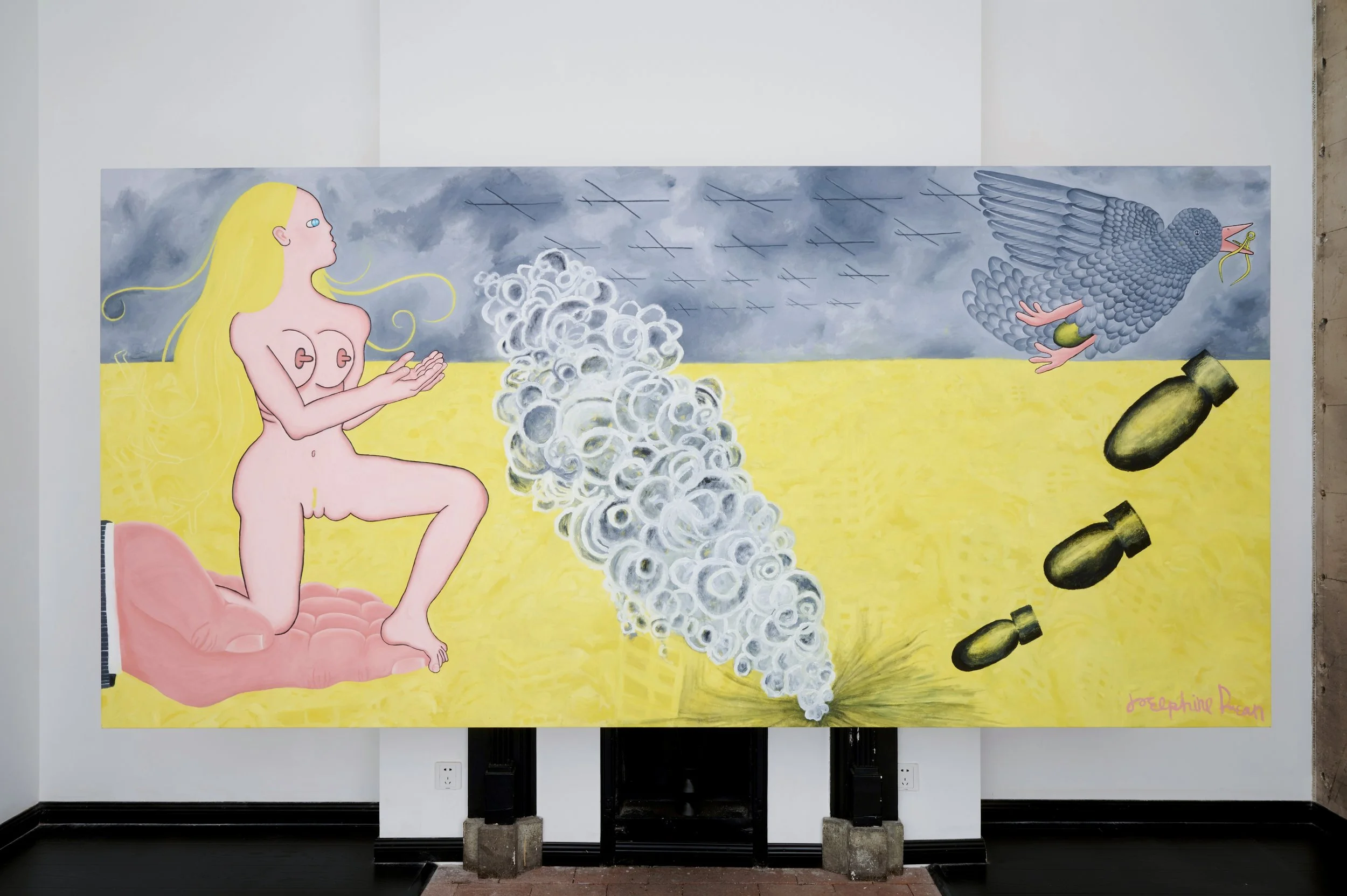
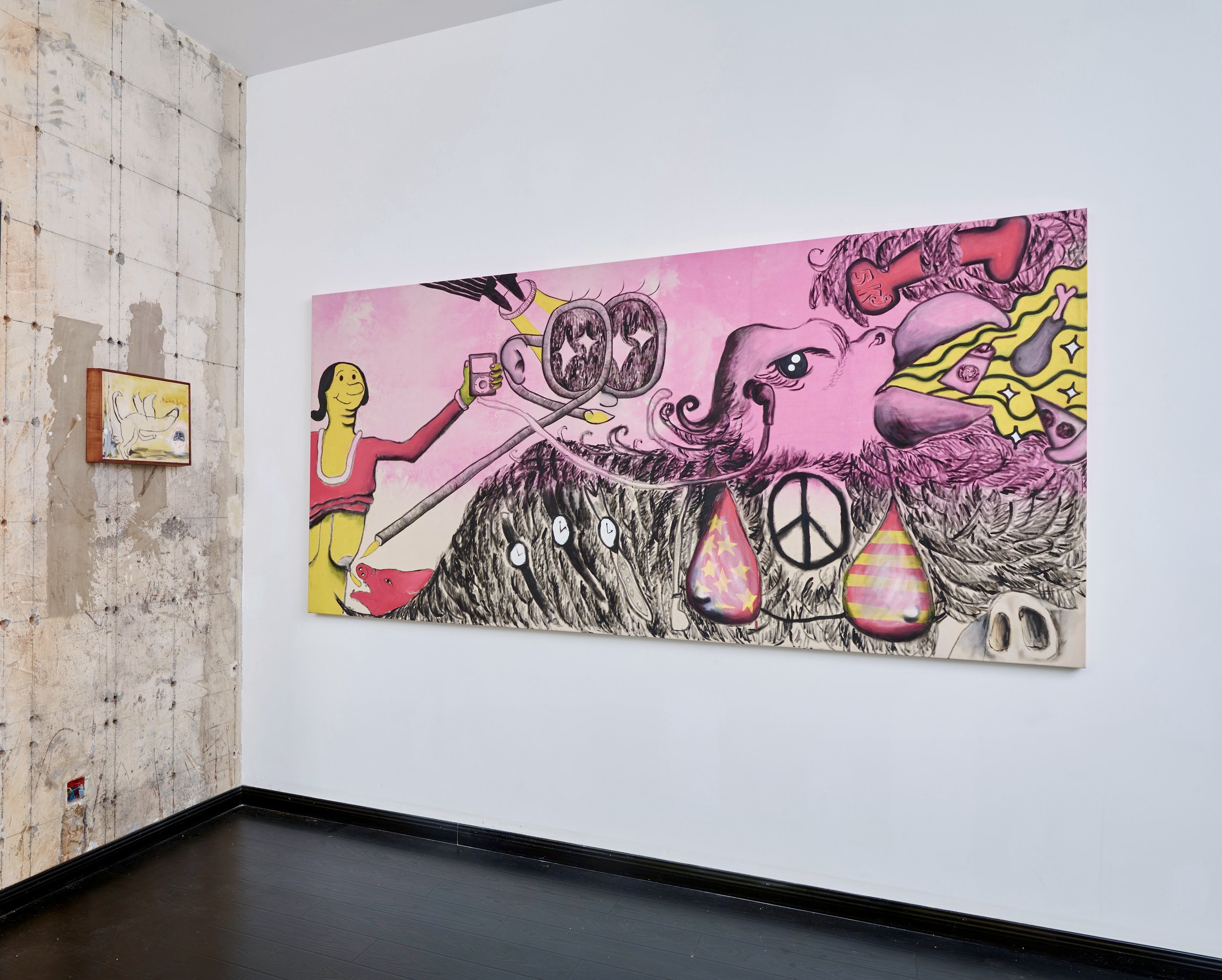
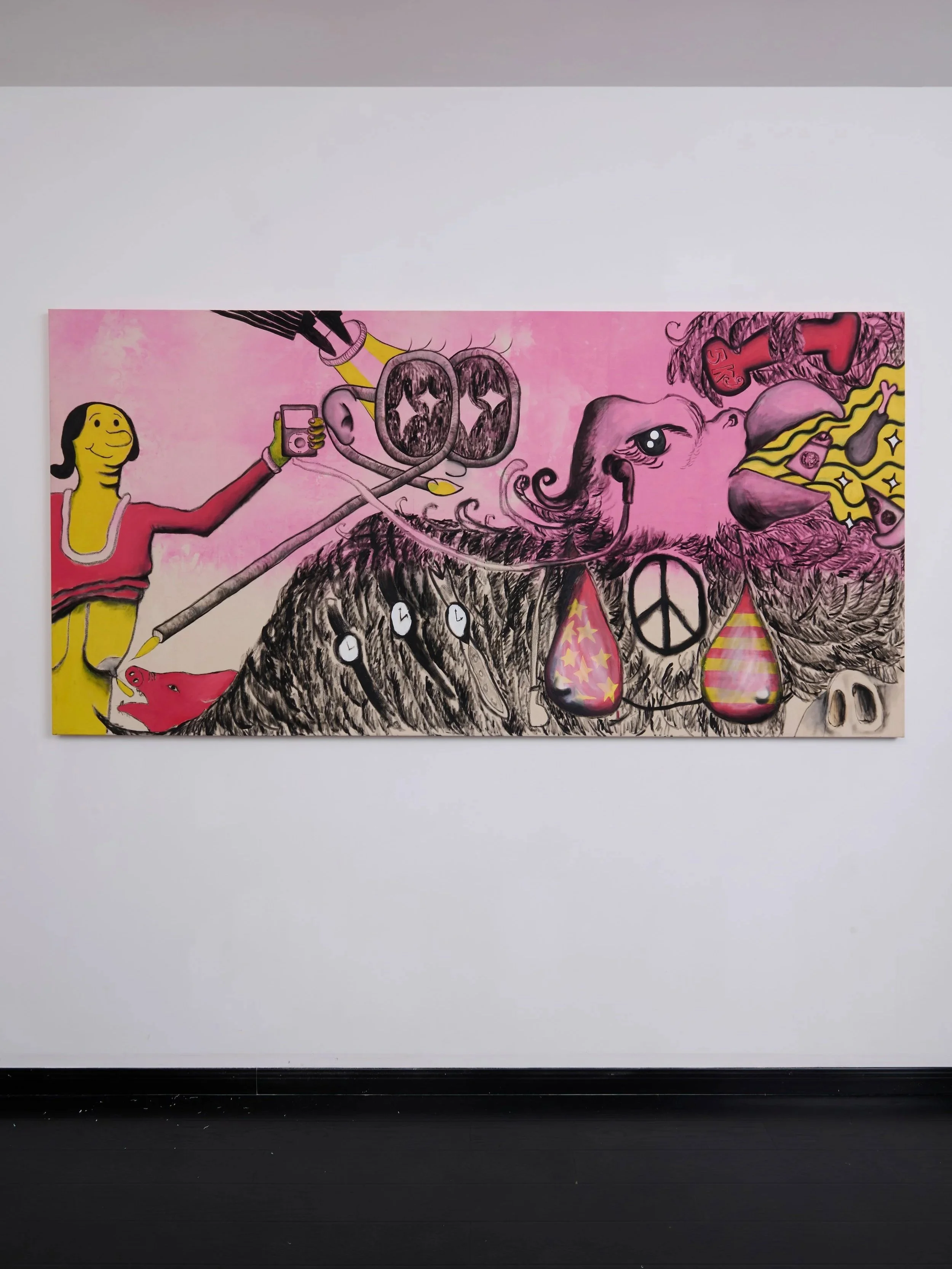
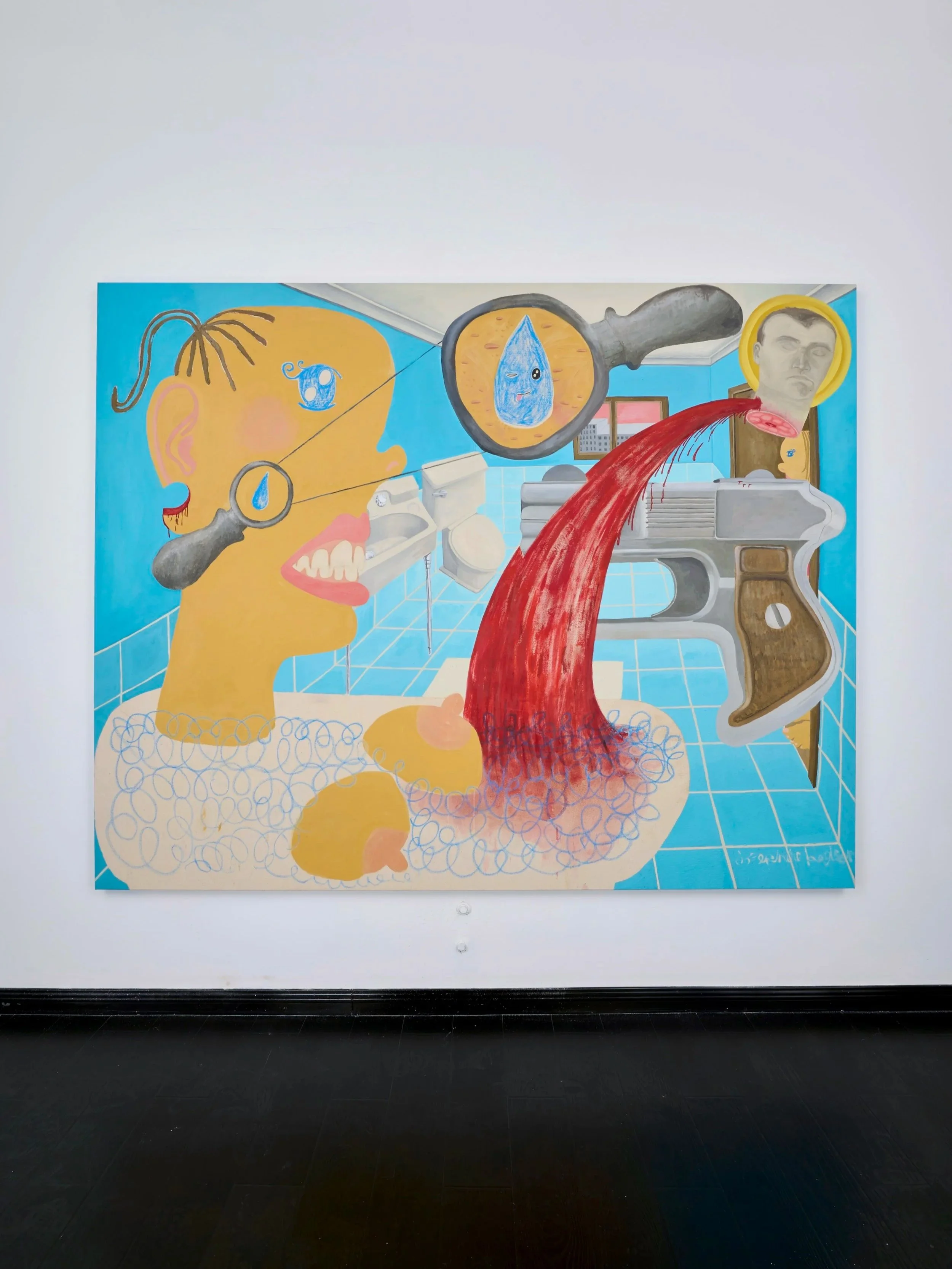
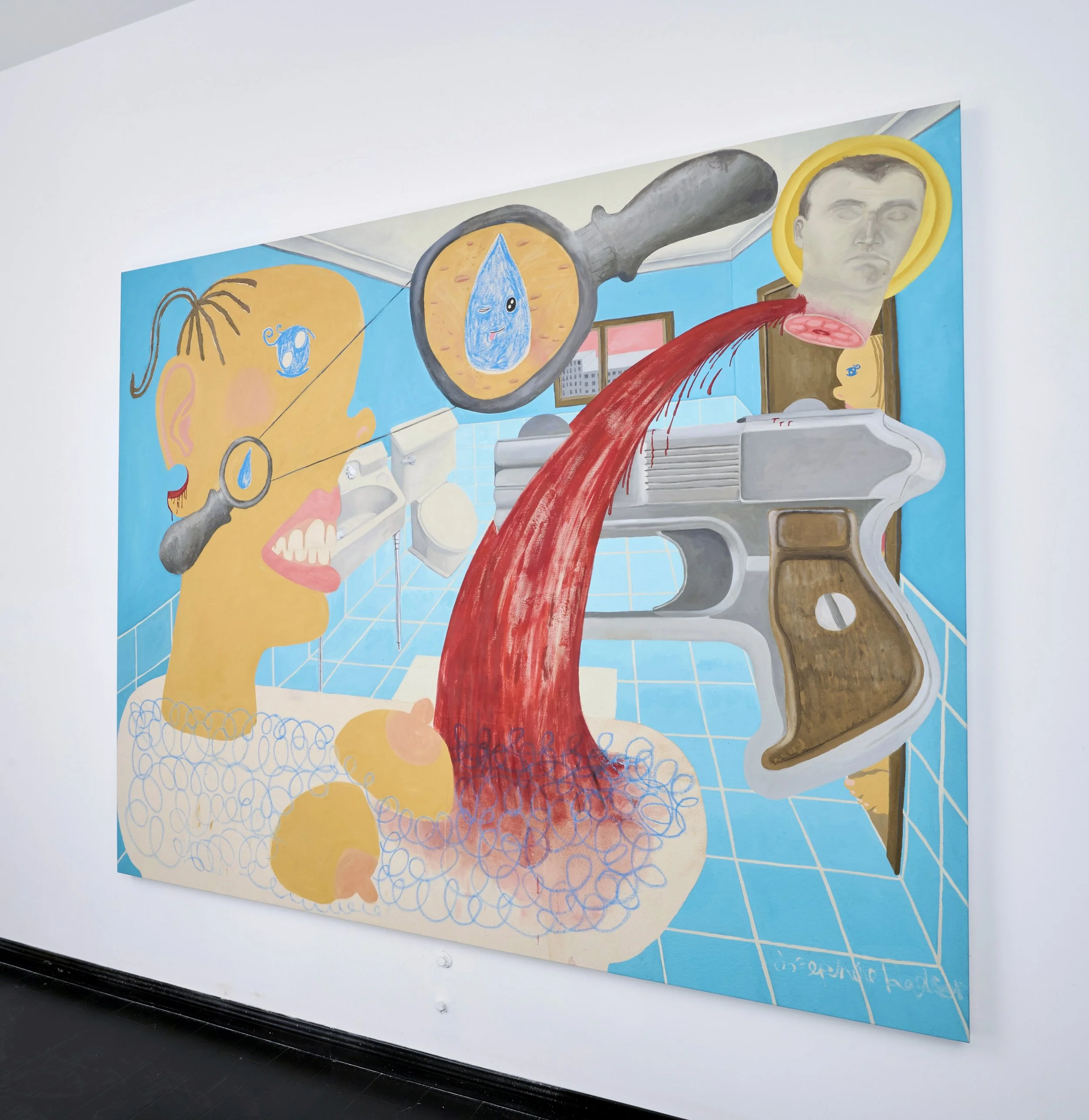
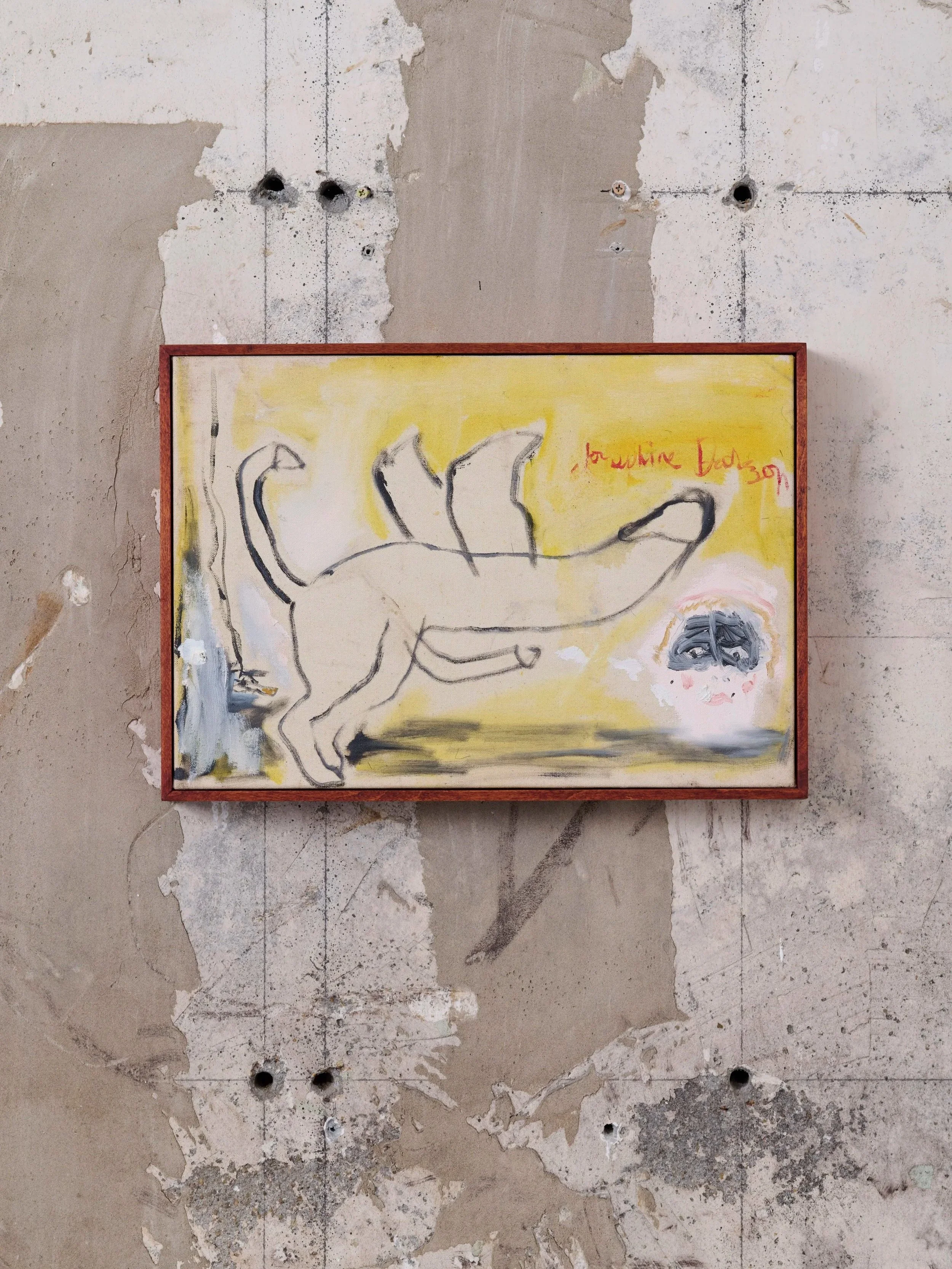
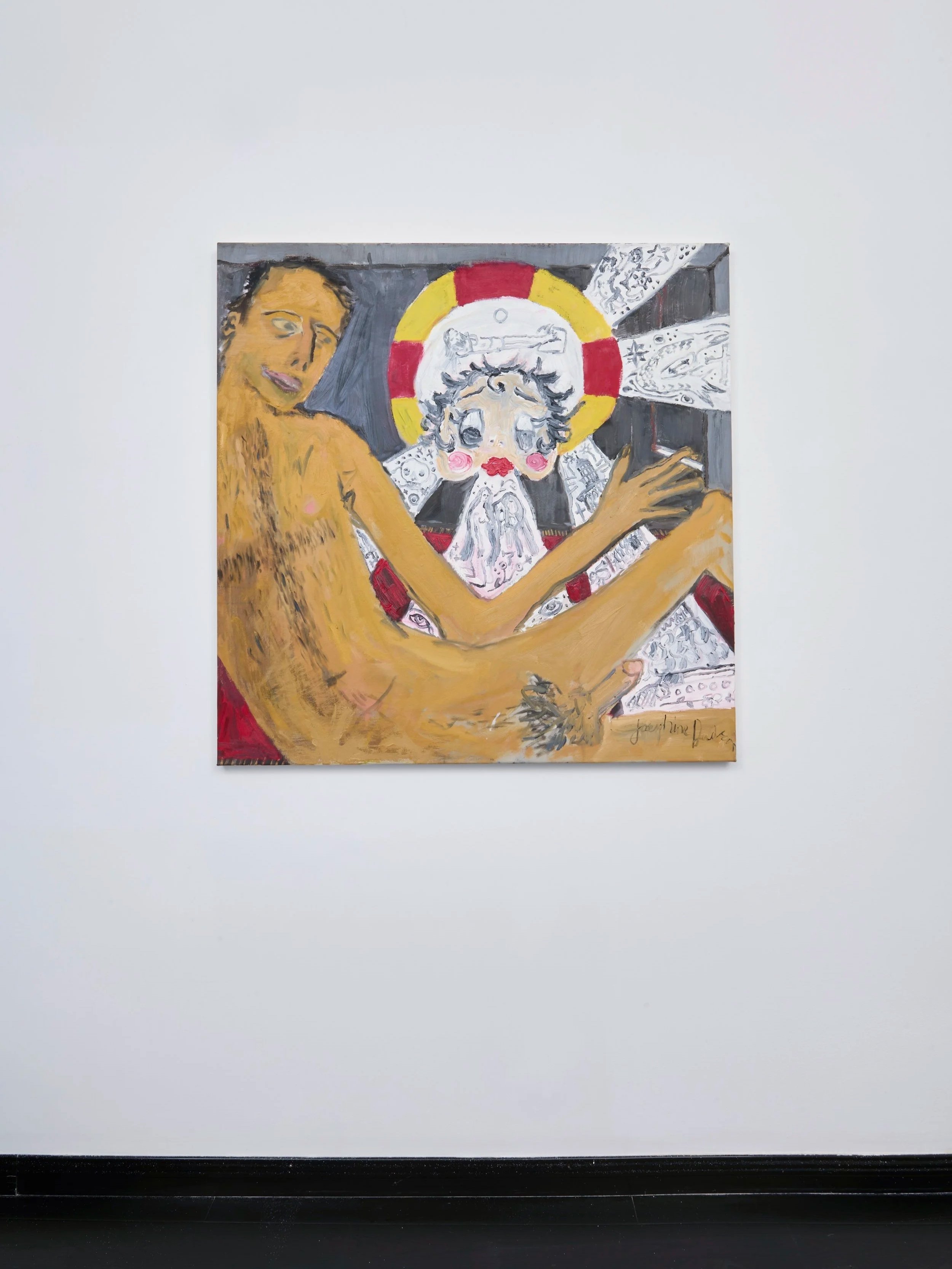
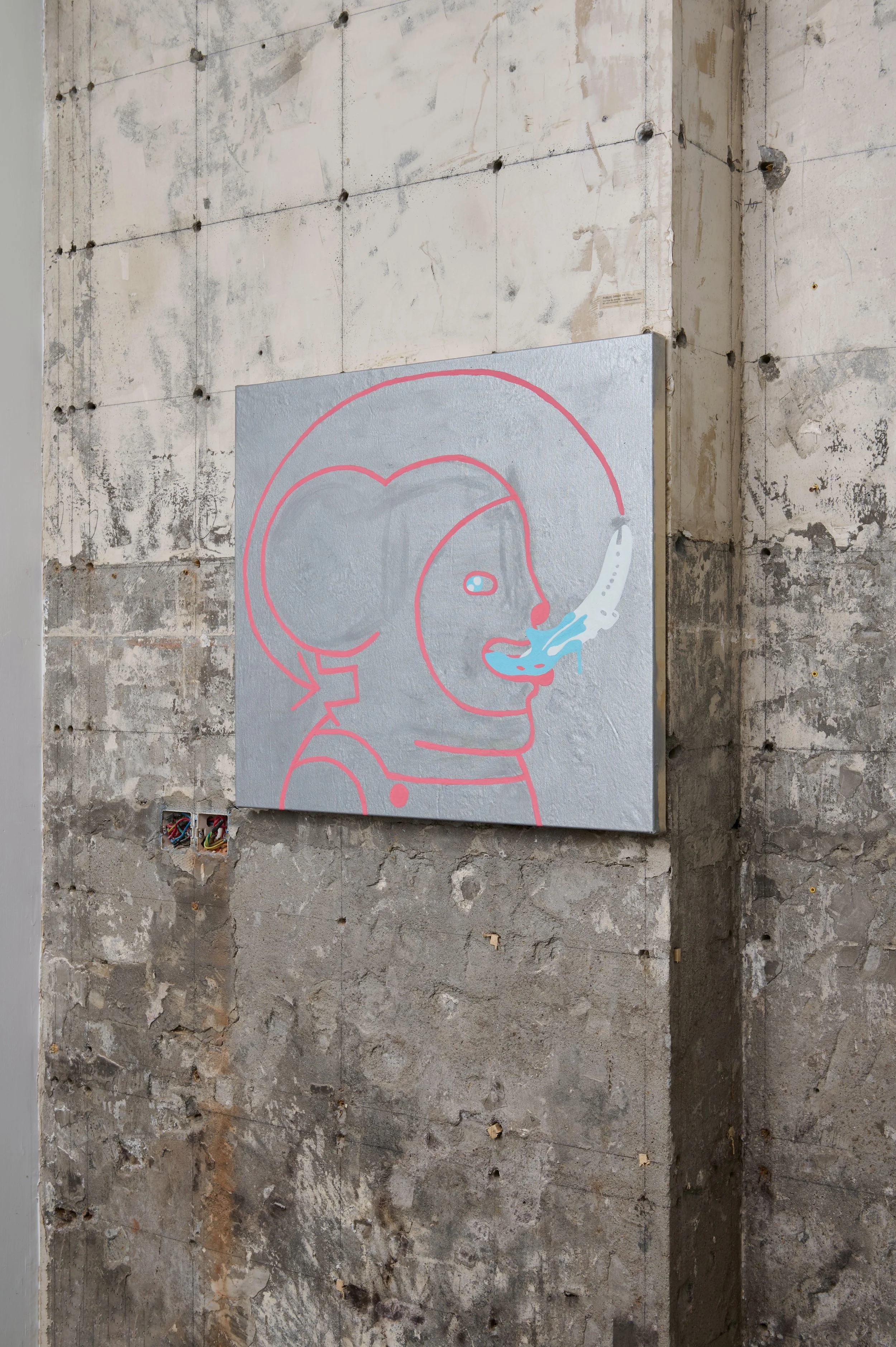
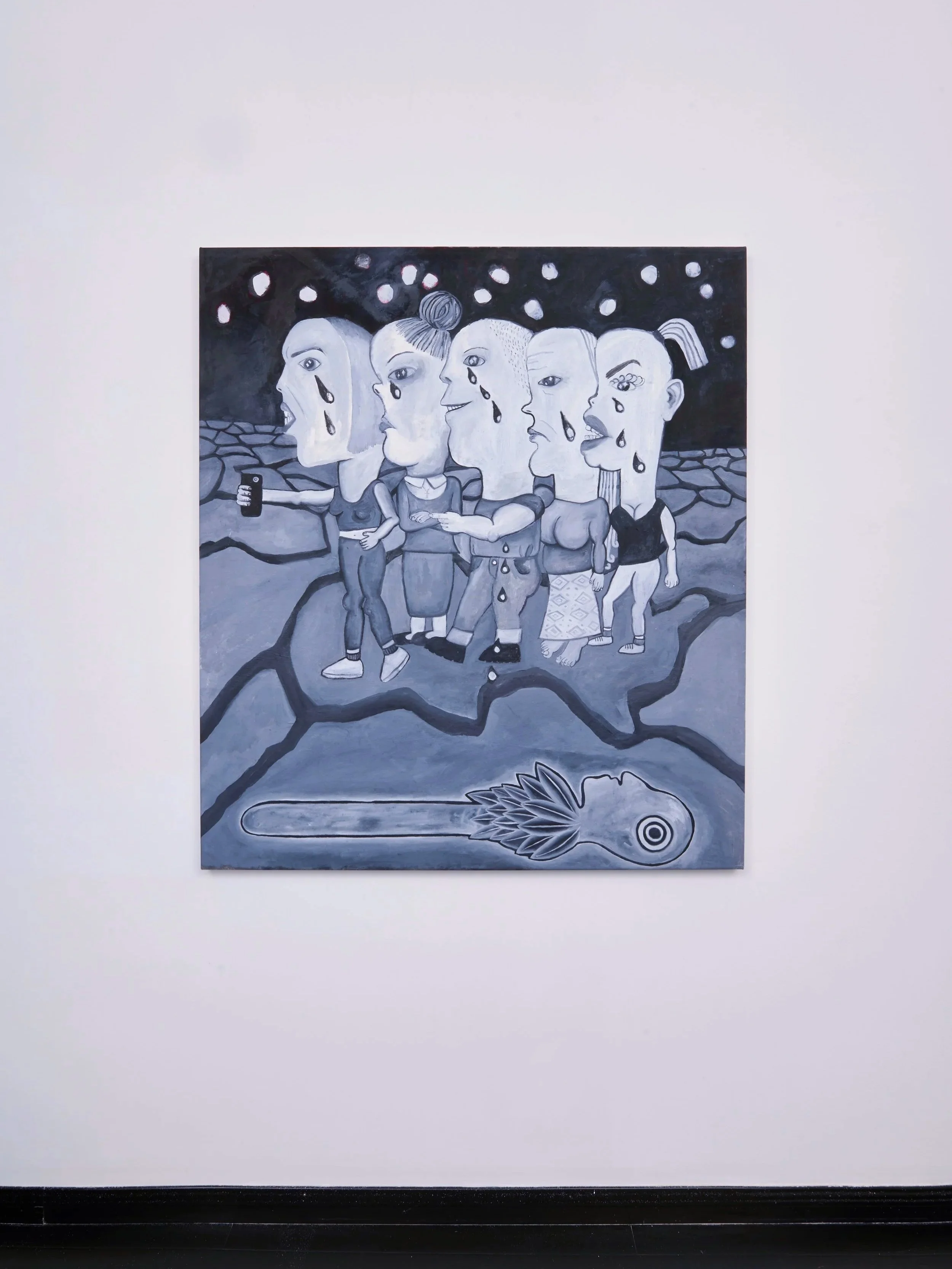
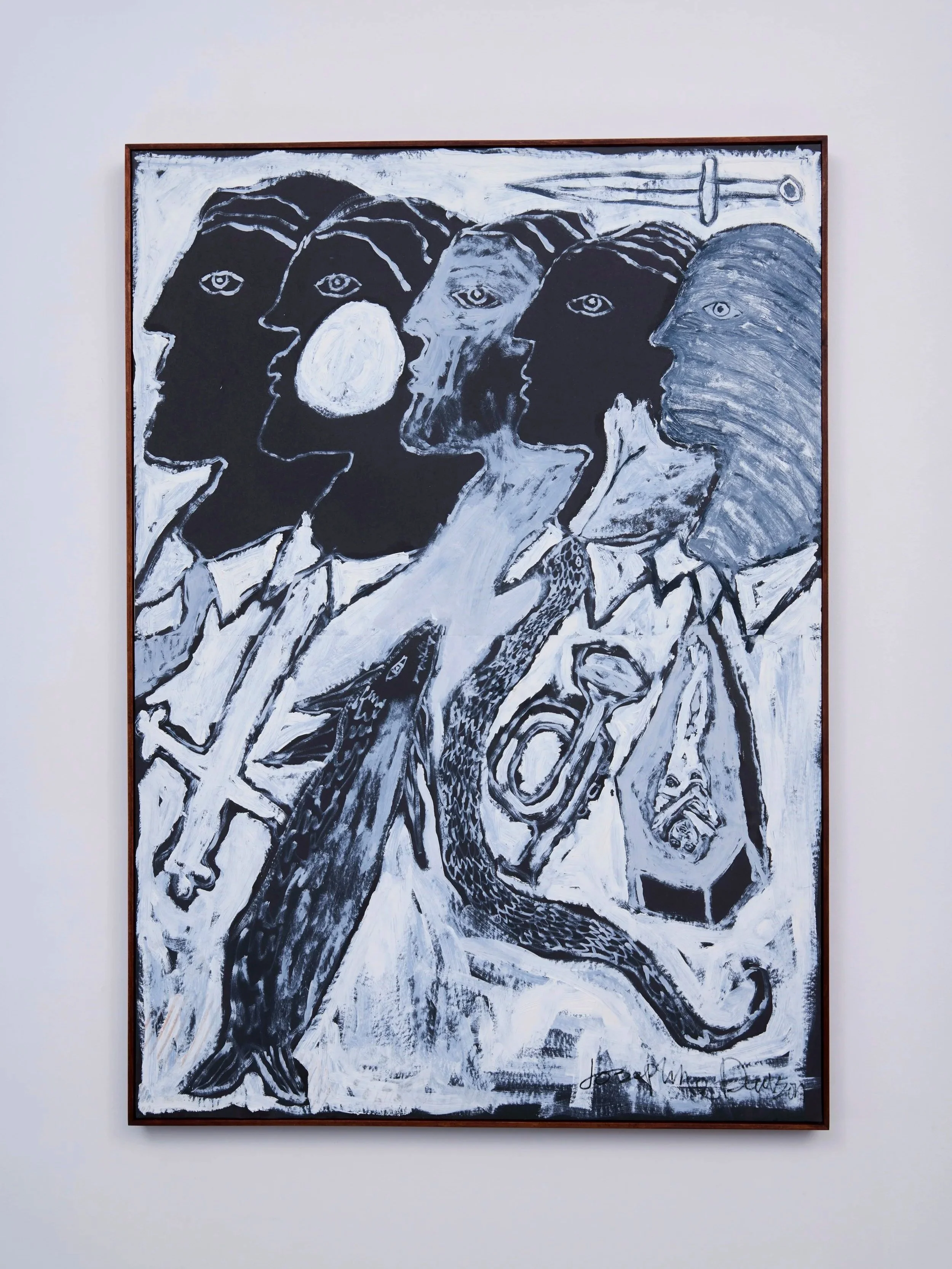
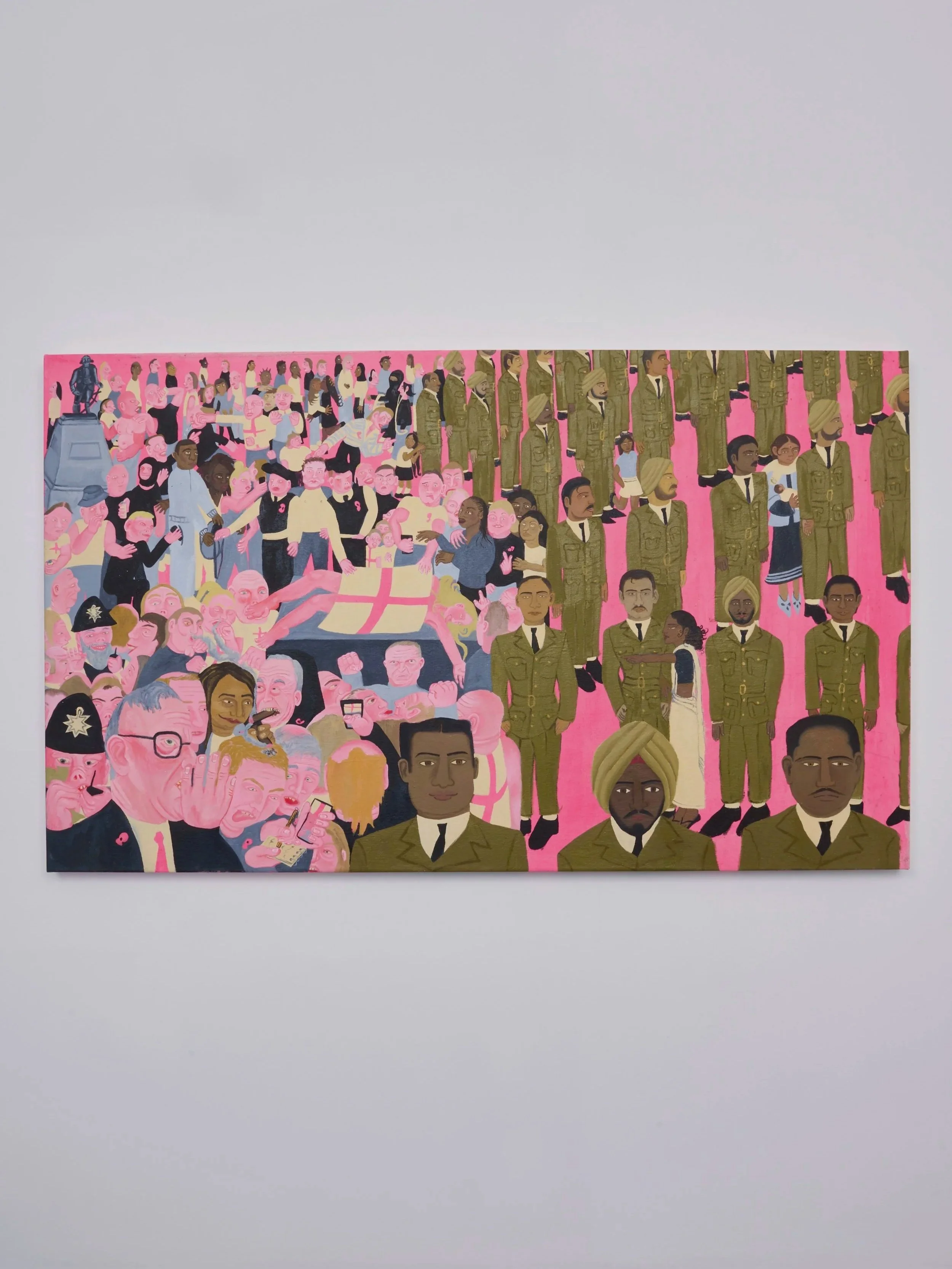
CHAPTER 6 is honored to present the solo exhibition of Josephine Dadson, “Palatable” Taboo. In contemporary society, the body has long exceeded the realm of private ownership. It is consumed, regulated, evaluated, and ranked—assigned value and circulated as a visual asset within systems of exchange. Josephine Dadson situates the body at the intersection of multiple power structures. Through comic-like humorous narration and graffiti-like light-handed line work, she embeds a questioning and dismantling of oppressive systems, including gendered distributions of power, mechanisms of self-discipline, image capitalism, and the legacies of colonial history. Her works function both as critical external observation and as an internal psychic landscape shaped by her position within these structures.
Accessibility is central to Josephine’s practice. In selected works, she appropriates historical and popular cultural imagery, re-embedding symbols laden with cultural and historical weight into contemporary social contexts. Through this process, the circulation and interweaving of cultures become points of visual entry. Scale constitutes another significant dimension of her artistic language: figures often approach or exceed life-size, intensifying their physical presence and transforming viewing into a bodily encounter rather than a purely abstract or intellectual exercise. The flattened, seemingly simple graffiti aesthetic retains a sense of immediacy and intimacy. Humor sits at the core of Josephine’s visual language—it functions both as buffer and strategy. It first introduces lightness; only after the viewer’s defenses are lowered do the unsettling structures of power quietly emerge.
The exhibition title, “Palatable” Taboo, is not about transgression itself, Rather, it addresses those taboos that can be displayed—provided they are modified, stylized, and carefully packaged—transformed into forms that are marketable and consumable. When systemic oppression operates through habituation, shame, and normalization, the figures in Josephine’s paintings are not mere aesthetic representations; they stage a site in which the distribution of bodies, value, and power becomes visible. They appear “palatable,” yet remain disquieting—familiar, yet charged with latent danger. For Josephine Dadson, artistic practice is a form of action. By reorganizing her perceptions from within these structures, she does not condemn individuals but instead raises questions: Who designs the rules? Who defines what is “palatable”? And who continues to profit from these definitions?